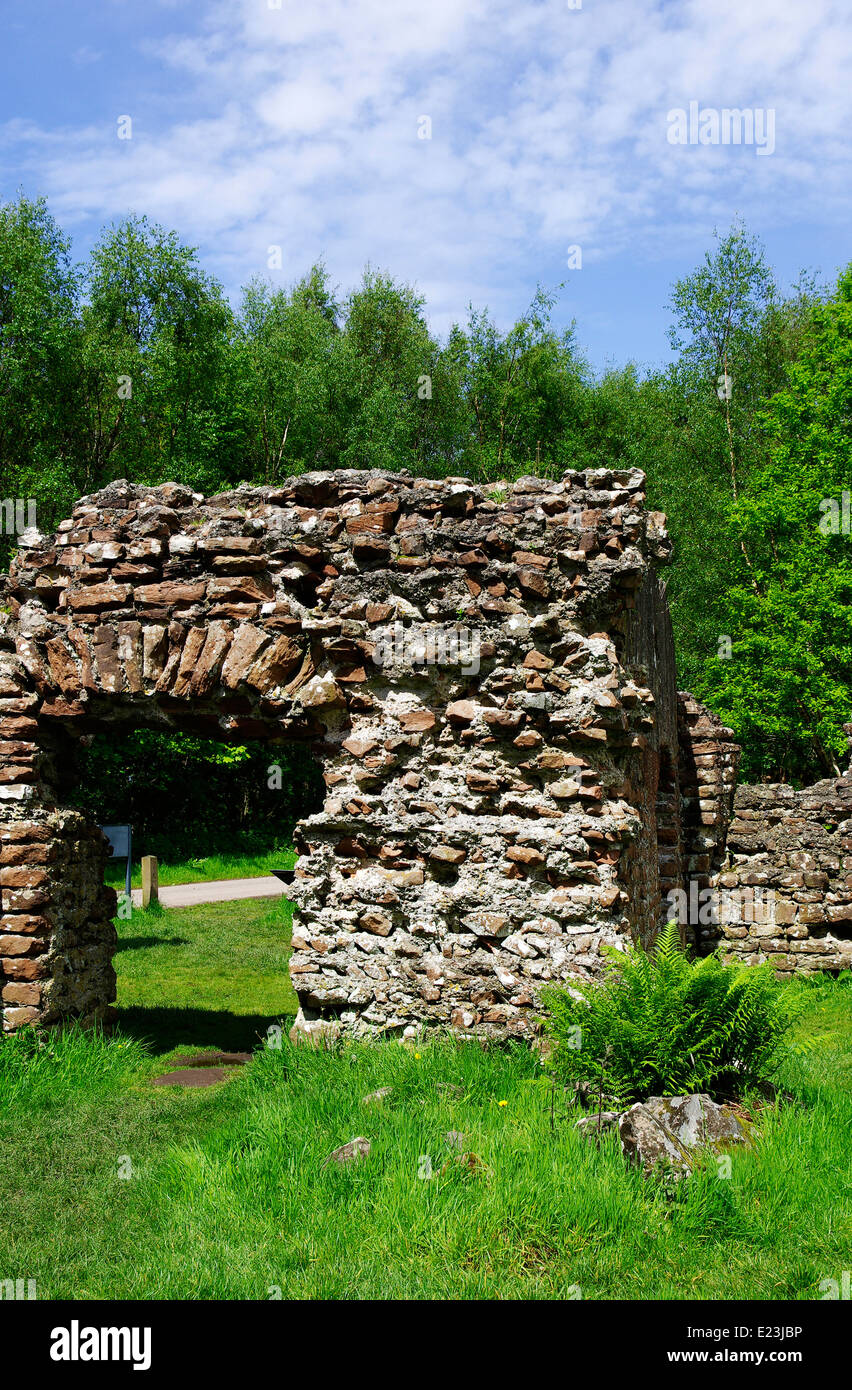
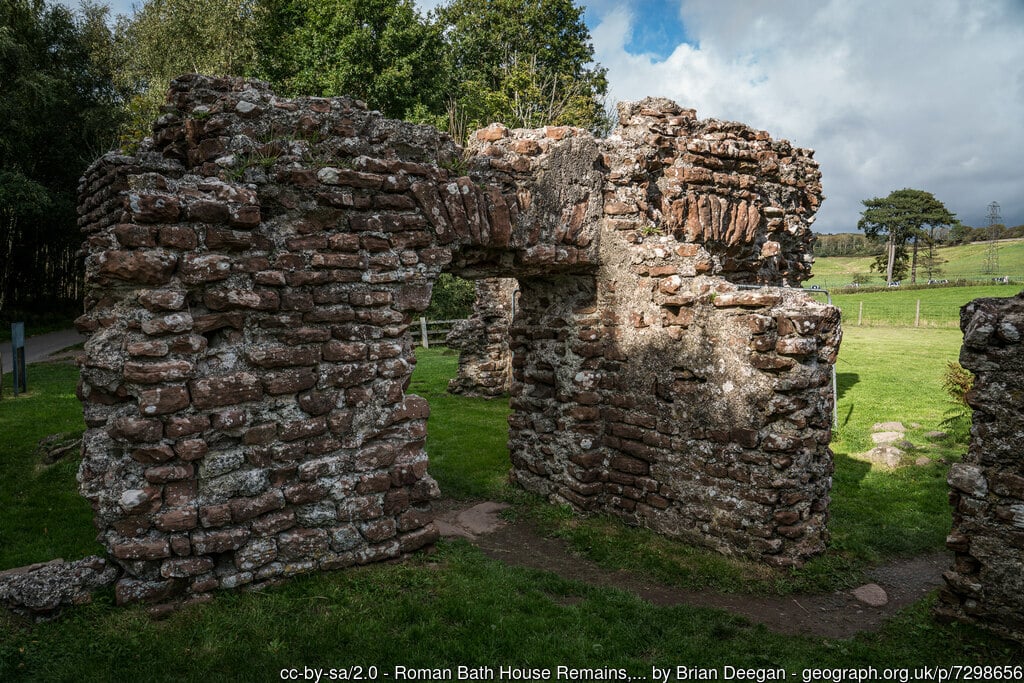
British made perfume & natural skincare handmade by Bath House using natural ingredients that improve your wellbeing since 1997. Shop online or in. A ruined ancient Roman bath house at Ravenglass, Cumbria, England, belonging to a 2nd-century fort and naval base.

Learn about its history, architecture, conservation and access, and see related links and media. Visit the remains of a Roman bath house and fort in Cumbria, with free exterior viewing and audio guide. Learn about the history and location of this ancient site and nearby attractions.
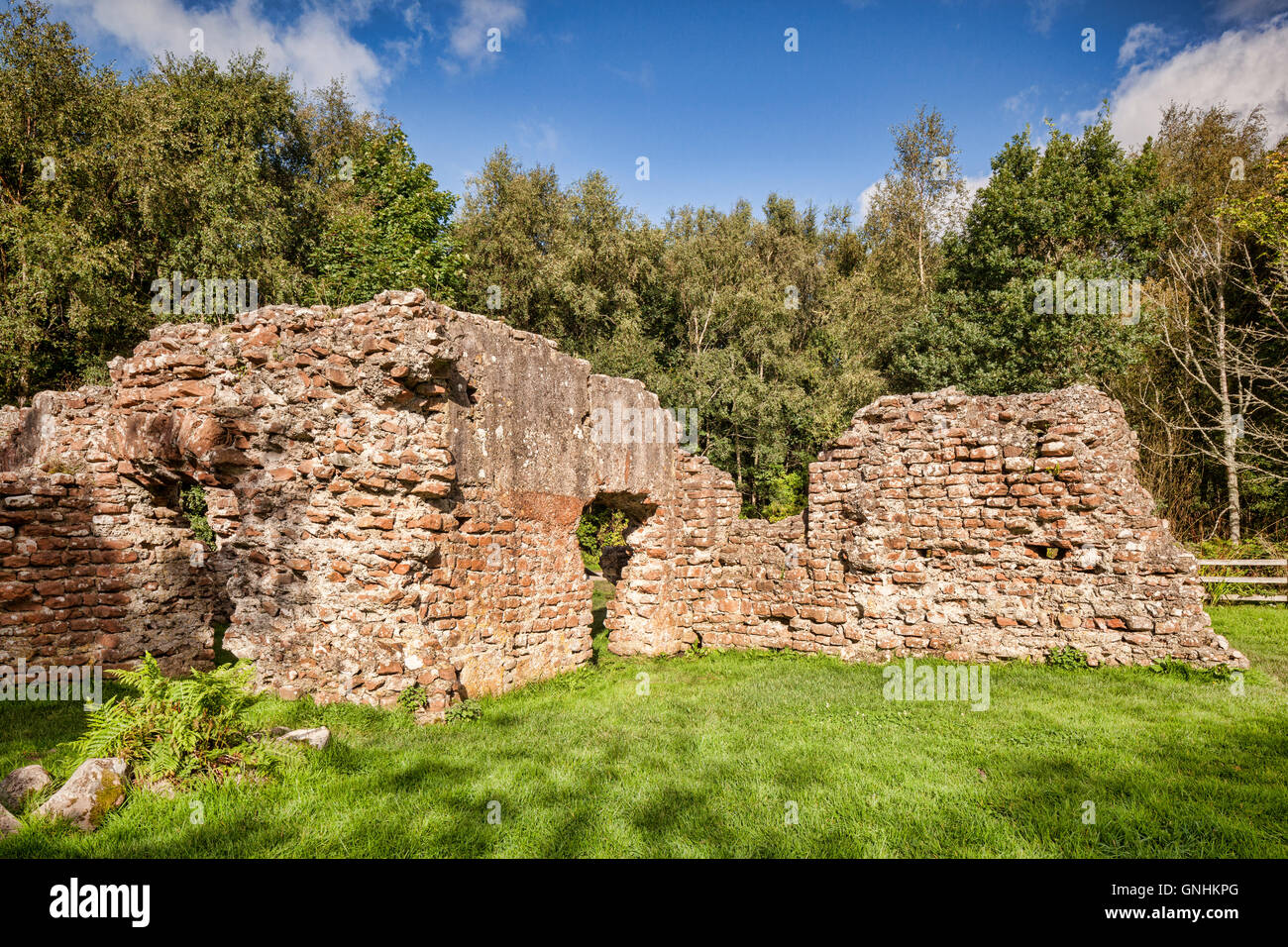
The impressive Roman Bath House remains at Ravenglass Cumbria Lake ...
Ravenglass Roman Bath House These Roman ruins in England's Lake District are 2,000 years old, but look pretty good for their age. Cumbria, England. The Roman bath house is really worth a visit it's only a short walk from ravenglass station or (the ratty arms), the amount of it that is available to see given the age of the site is amazing and there a very informative plaques near the site.

The Ravenglass Roman Bath House offers a glimpse into Roman military life and settlement in northern Britain, showcasing well. Explore one of the largest surviving Roman structures in England, a bath house with hot and cold baths, at Ravenglass, an important naval base for the Romans. Learn about the history and significance of this site, now in the care of English Heritage.

Bath House store in the village of Ambleside, shop sells fragrances and ...
The bath house is thought to date to the period between the 2nd and 4th centuries AD. The fort was established in about AD 130 to guard the important harbour at Ravenglass. The Roman Bath House is sometimes known as Walls Castle.
Visit the tallest Roman structures in northern Britain at Ravenglass, a spa and supply point for the Roman army. Learn about the history, architecture and archaeology of this World Heritage Site. Ravenglass Roman Bath House is a ruined ancient Roman bath house at Ravenglass, Cumbria, England.
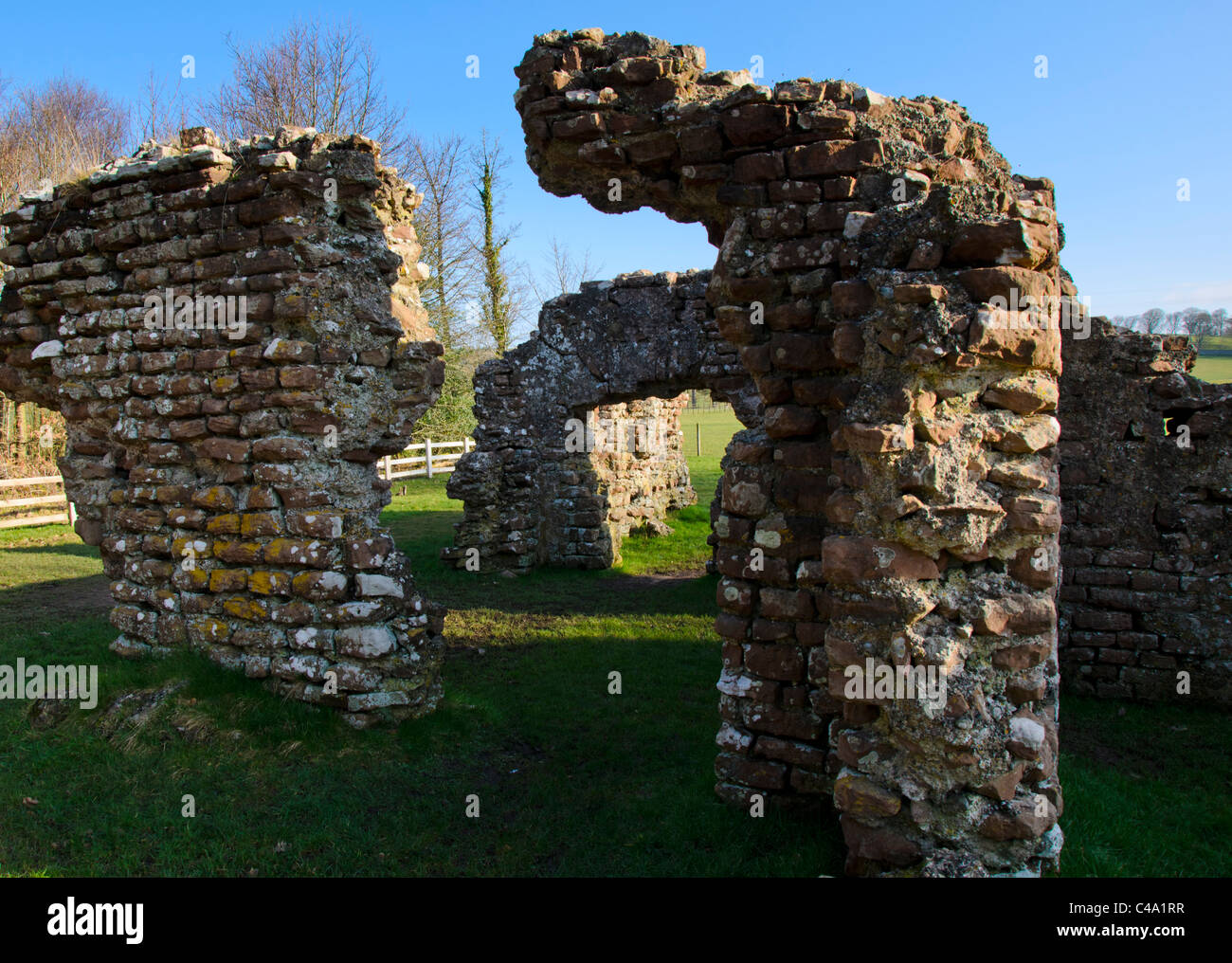
Ravenglass Roman Bath House, Cumbria - See Around Britain
Belonging to a 2nd-century Roman fort and naval base, the bath house is described by Matthew Hyde in his update to the Pevsner Guide to Cumbria as "an astonishing survival".