The Roman Baths are well-preserved thermae in the city of Bath, Somerset, England. A temple was constructed on the site between 60 and 70 AD in the first few decades of Roman Britain. The Roman Baths is the site of extensive ruins and an interactive museum filled with many treasures and visual snippets that transport you back to Roman times and the lives of the Aquae Sulis people.
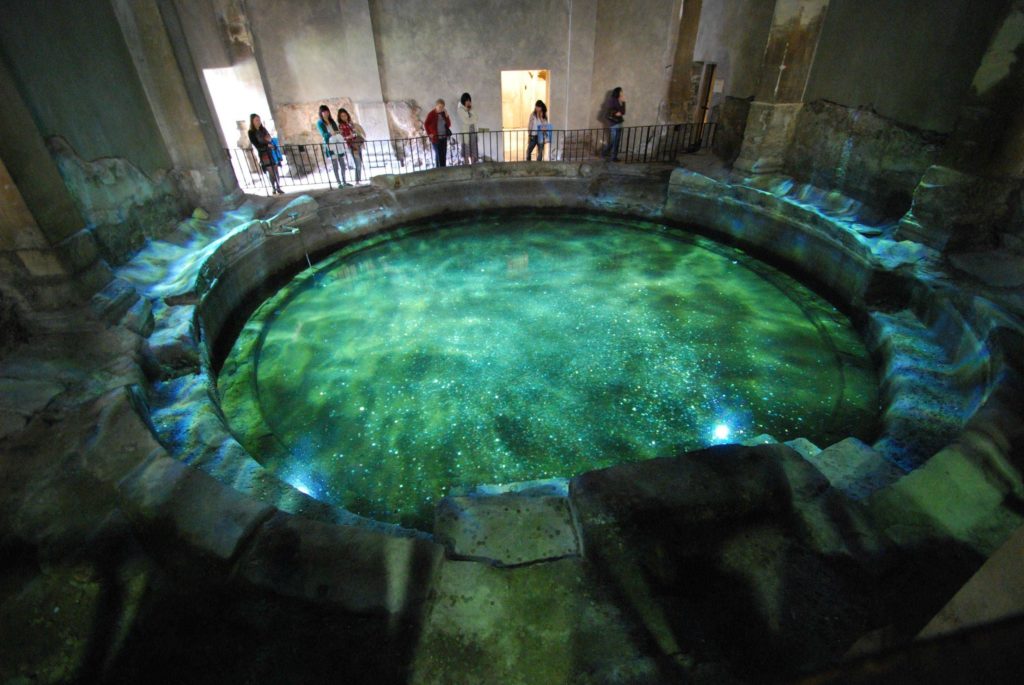
Walk on ancient pavements as the Romans did 2,000 years ago, and explore chambers historically housing changing rooms and tepid plunge pools. The Romans revered Bath's ancient hot springs. Now, after you tour the Roman baths, you can enjoy them too - in the city's sparkling 21st.

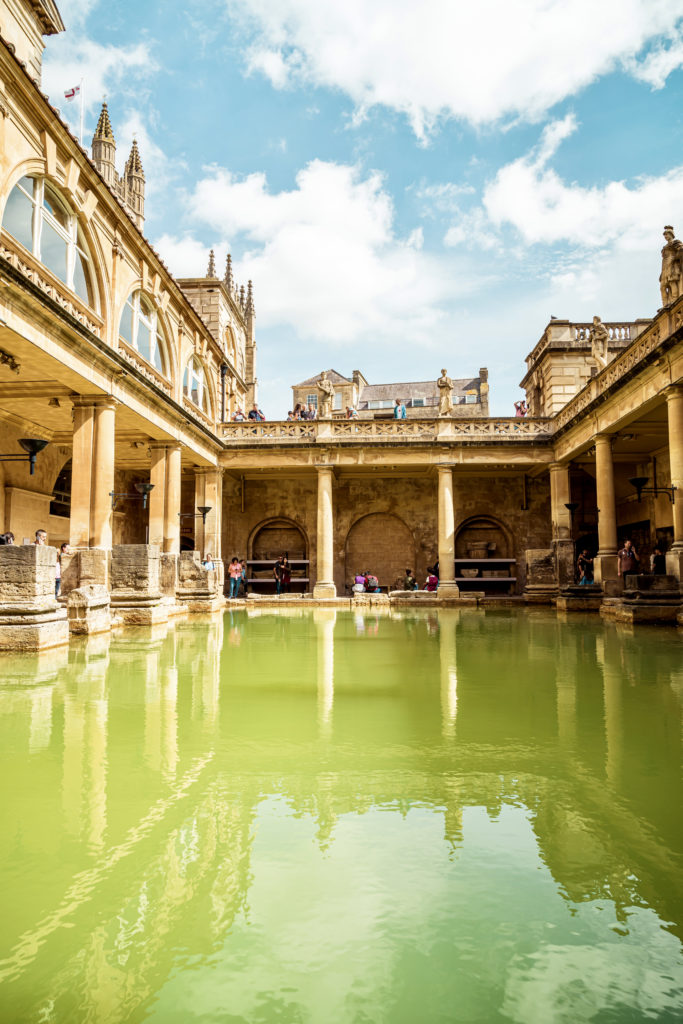
A Guide to the Roman Baths at Bath - Through Eternity Tours
Despite being nearly 2,000 years old, the Roman Baths in England remain one of the most well-preserved ancient bath complexes in Europe. These historical marvels showcase the ingenuity of Roman engineering and architecture, forming the heart of the city of Bath. Roman bathing was based around the practice of moving through a series of heated rooms culminating in a cold plunge at the end.

This sequence might include an opportunity to luxuriate in a hot tub or a small bath of hot water in the caldarium, but it did not normally involve swimming around in a great hot swimming pool such as the Great Bath. The Roman Baths are the top attraction in Bath England. Dating back to 75 A.D., the baths are the best preserved ancient baths in Northern Europe.
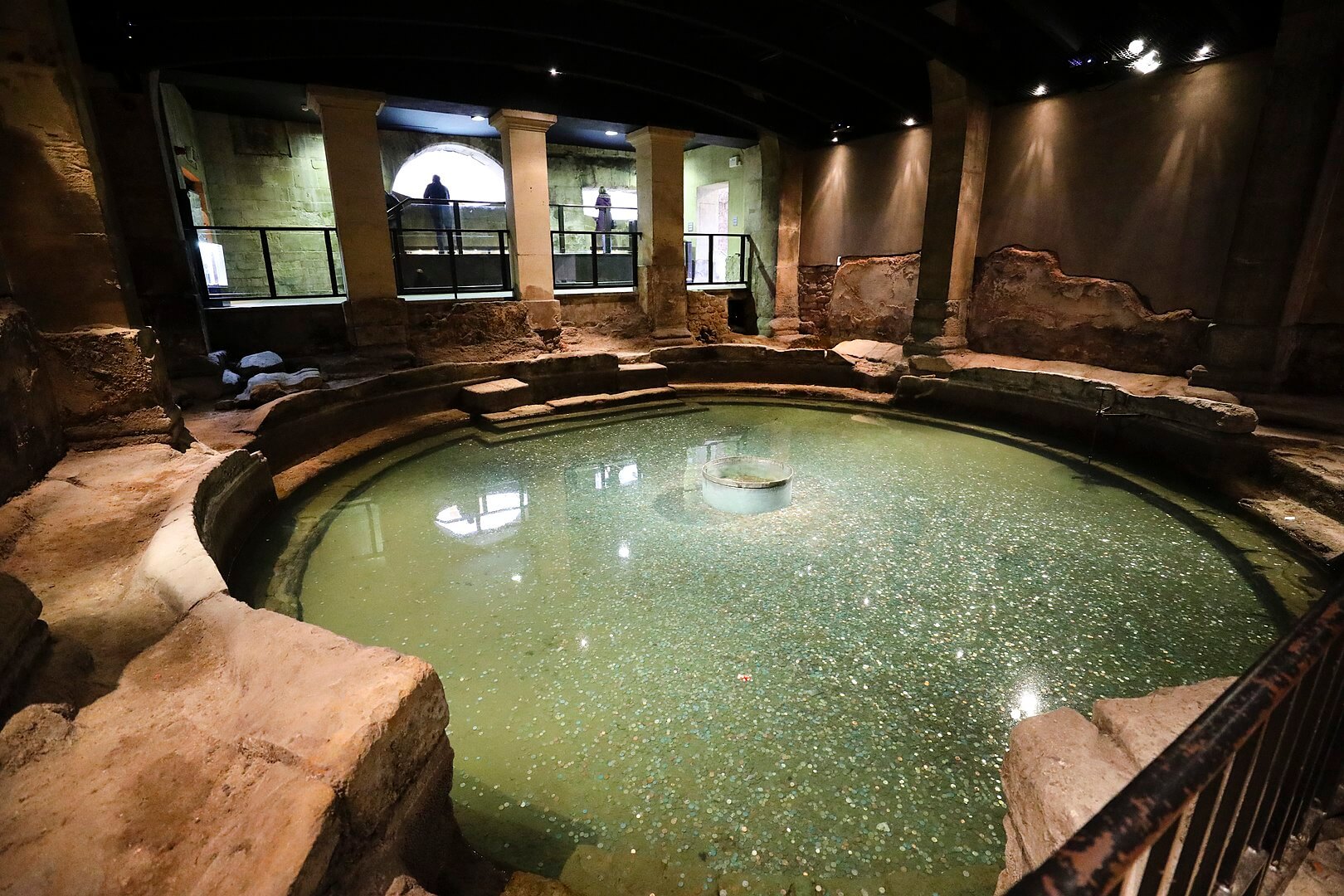
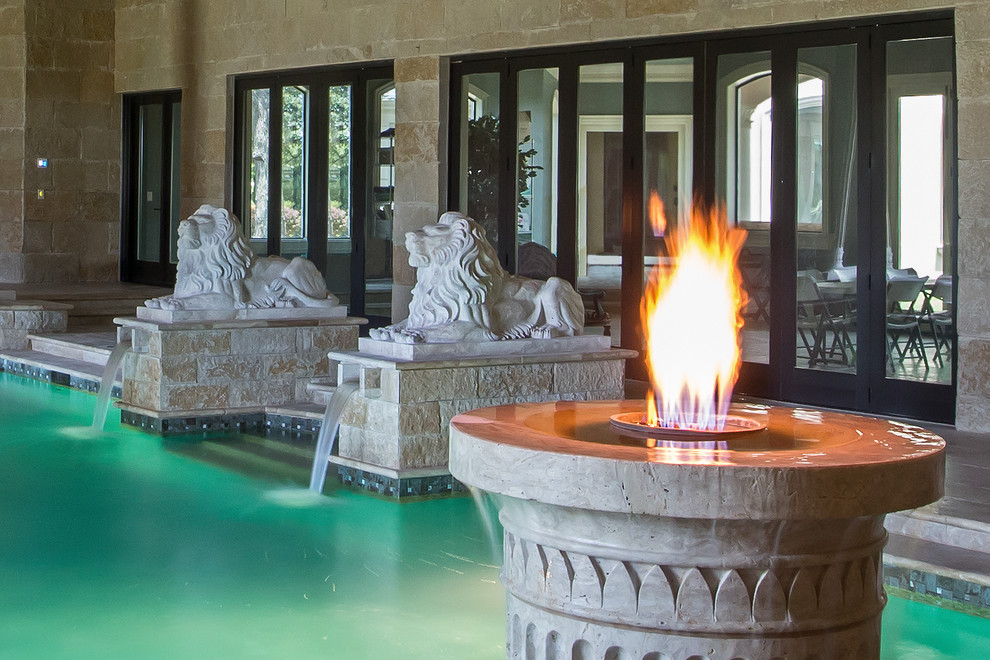
Indoor Roman Bath House - Mediterranean - Pool - Dallas - by AquaTerra ...
In 1987, they became a UNESCO heritage site. This guide gives you an overview of the history of the Roman Baths, what to see when visiting the complex, and must know tips for visiting. This 1st century bath complex was a meeting point for patricians.
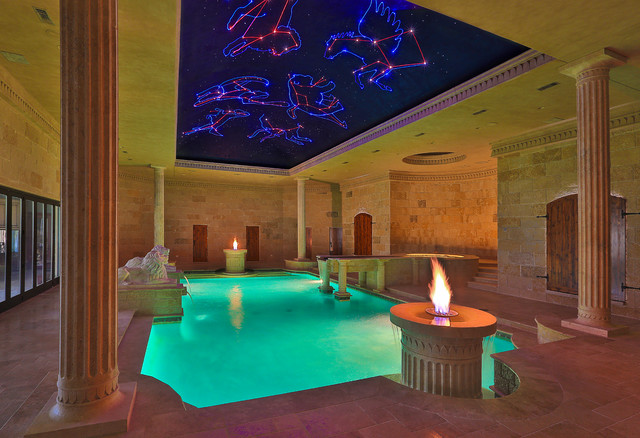
An Imperial Roman bath Thermae was much more than just a series of bathing pools of varying water temperatures. These huge bathing facilities also provided saunas, libraries, hair salons, lecture rooms, gymnasiums, and music pavilions. The Roman Baths that grew up were unusual for their size and for the amount of hot water that was freely available.

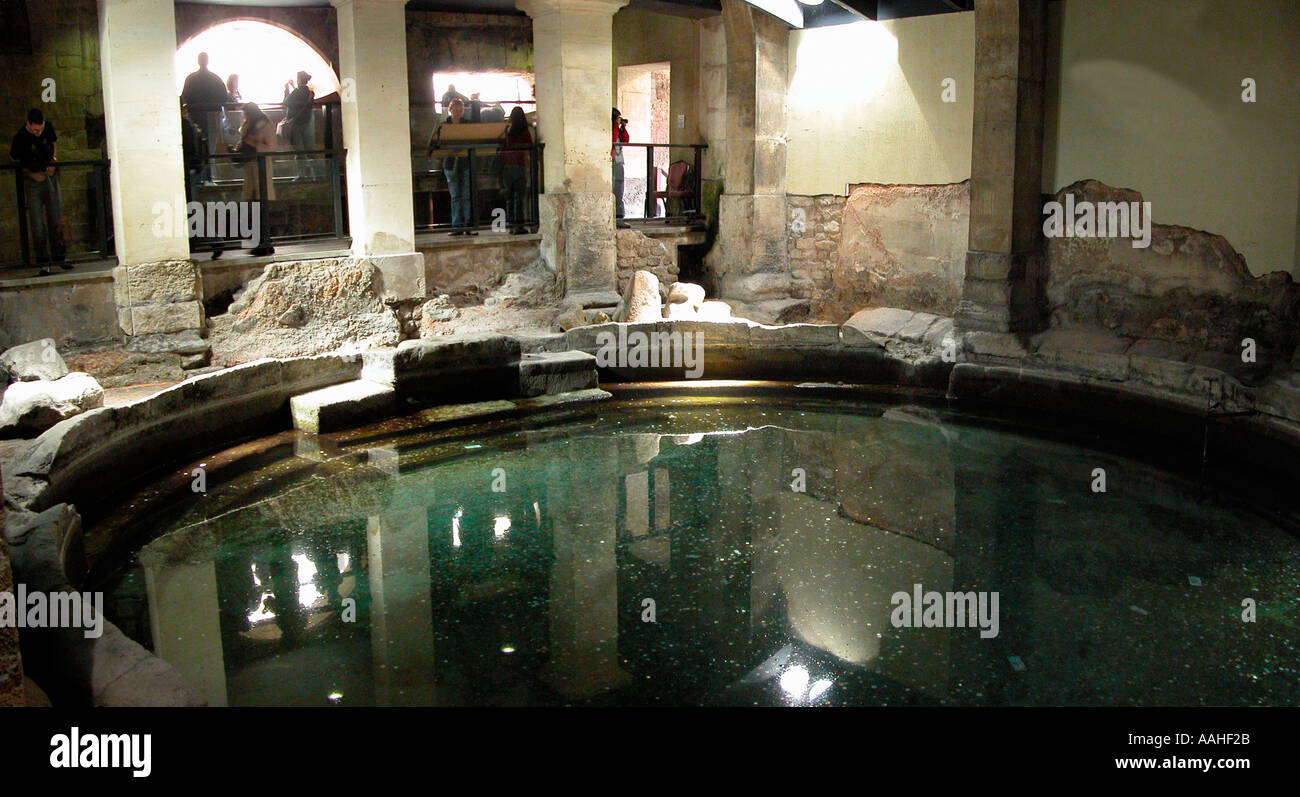
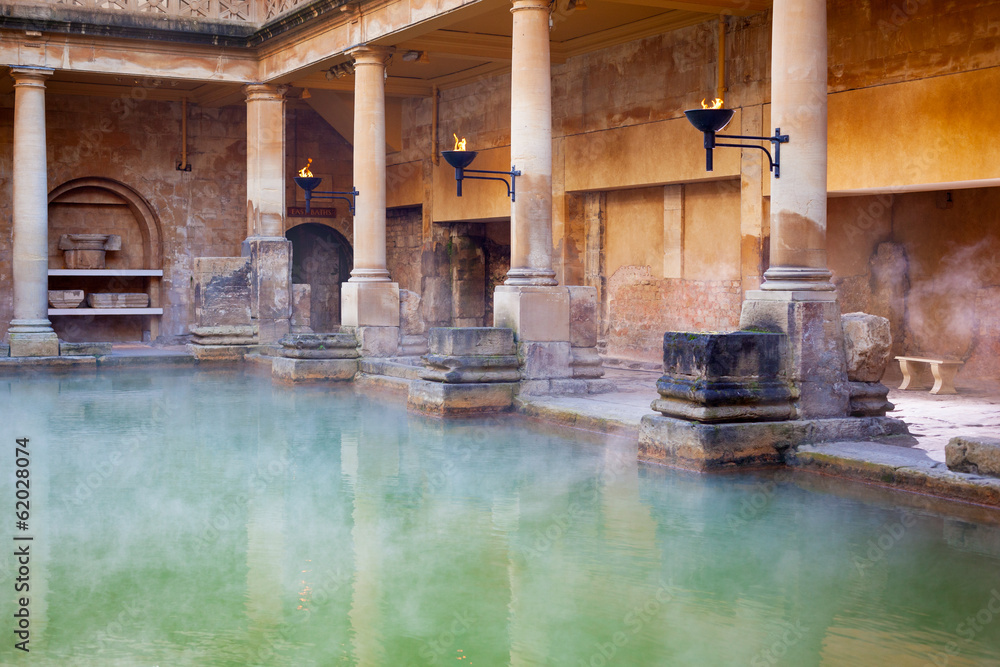
Main Pool in the Roman Baths in Bath, UK Stock Photo | Adobe Stock
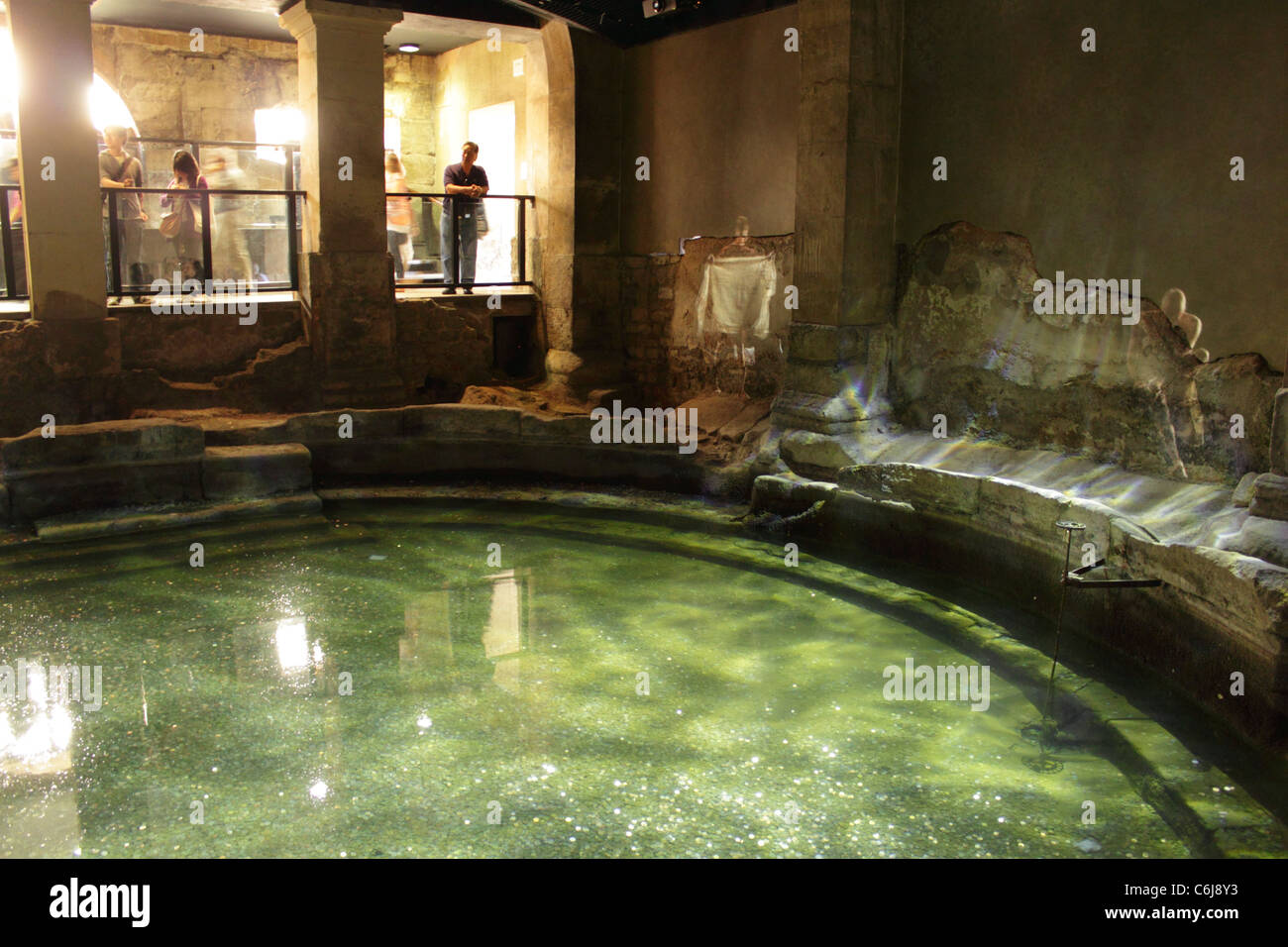
Most baths around the Roman Empire used smaller plunge pools and a limited amount of hot water, since heating water was expensive. how did roman baths work? 6 Natural Springs and Collections Some Roman baths took advantage of natural springs for their water supply. For example, the famous baths in Bath, England, were built over a natural spring, collecting water in a large oval pool.
Although using spring water eliminated the need for a distant water supply, it often resulted in mineral deposits that required regular. The Roman Baths remain one of Europe's most well-preserved ancient bath complexes. The surrounding city displays stunning Georgian crescents and terraces that transformed Bath into a symbol of refined living.

Key Takeaways Bath's hot springs attracted Celtic worship, Roman development, and Georgian high society across 2,000 years of.