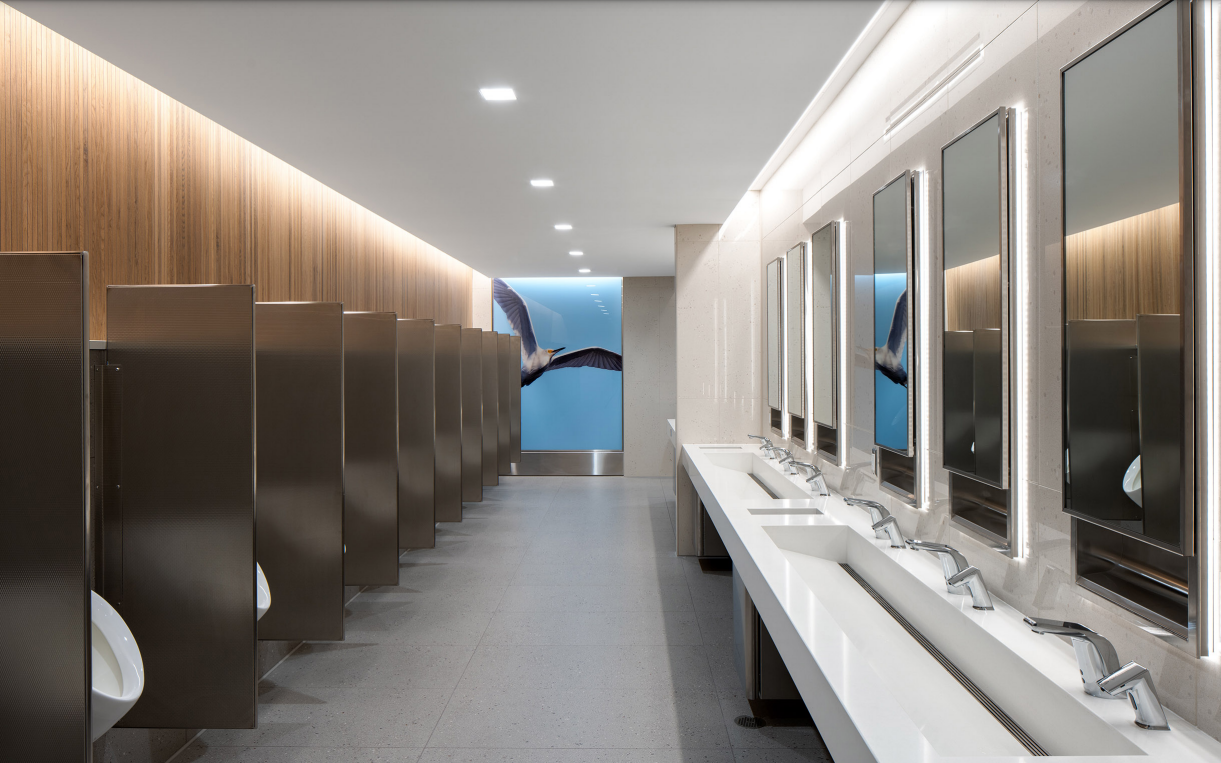
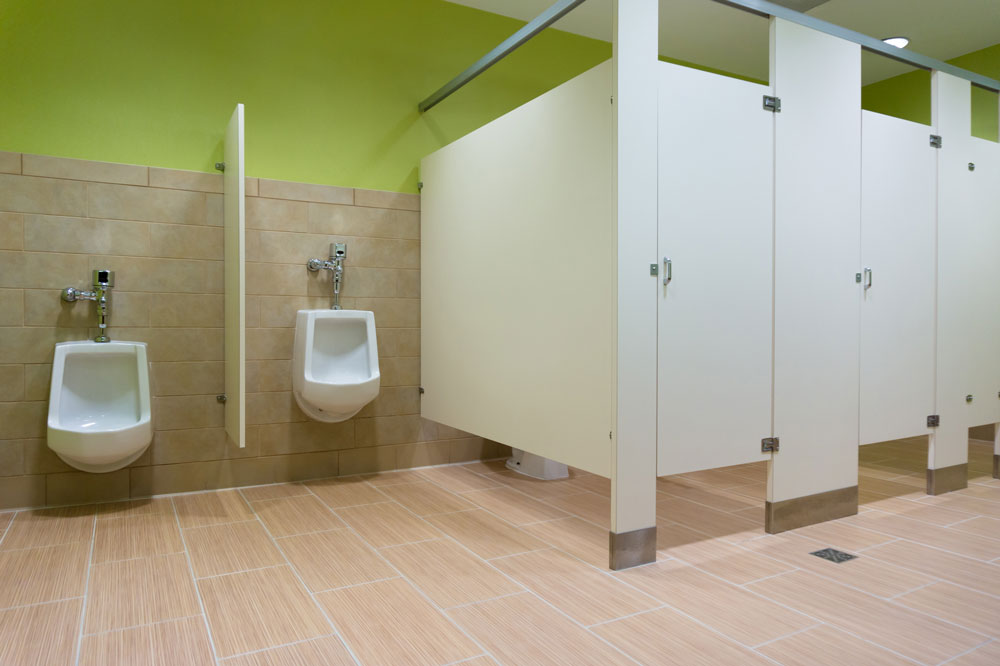
The design of public restrooms has become a field of exploration where efficiency is approached from various angles: the quality and durability of sanitary fixtures, the optimization of spatial. Thoughtful Design, Universal Access Emphasizing the importance of functional, accessible design in public restrooms for diverse populations. Designing public restrooms involves a complex interplay of functionality, accessibility, hygiene, and user experience, all crucial factors that contribute to the overall well.
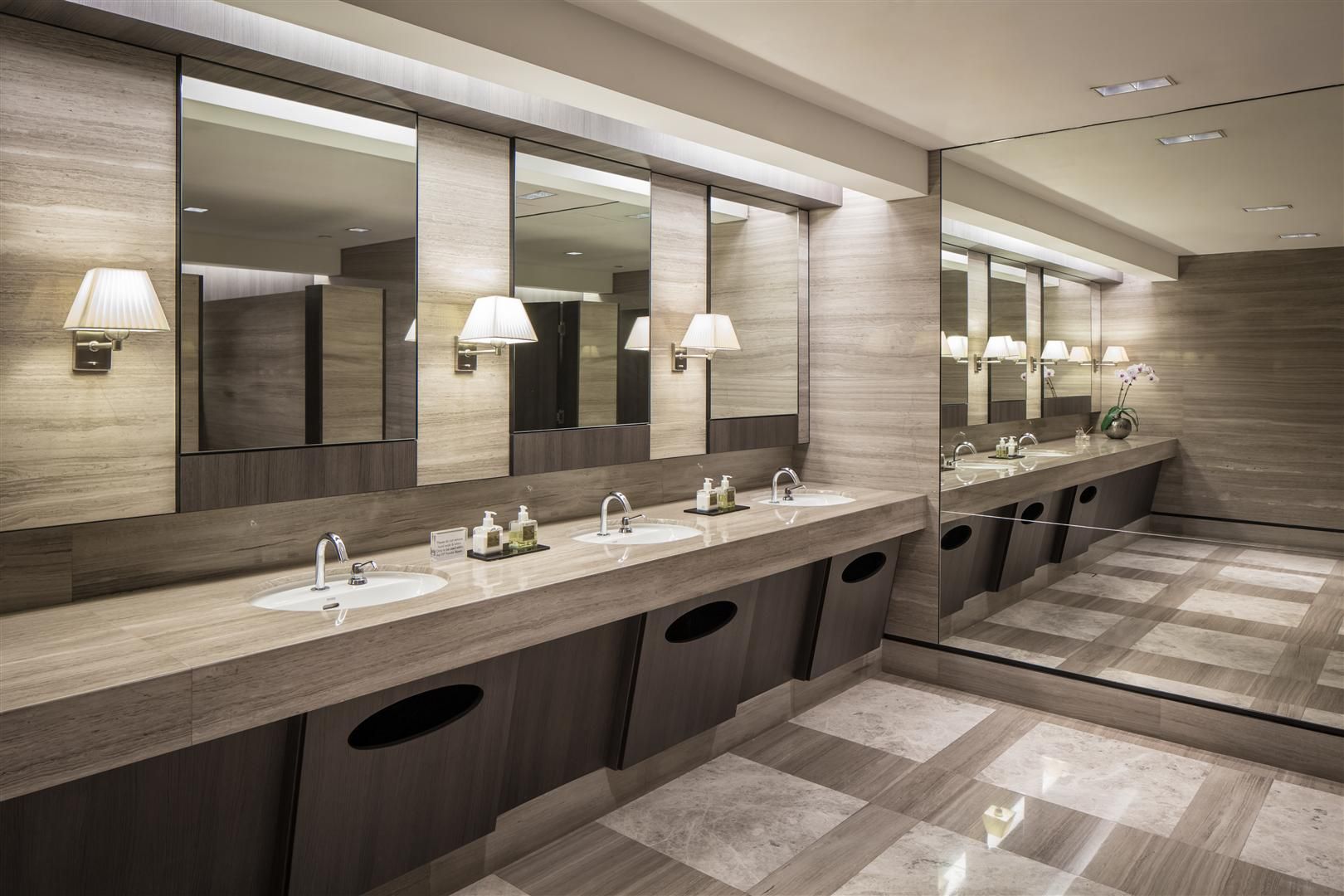
A public restroom is more than just a functional space; it reflects a community's commitment to the well-being and comfort of its members and visitors. Designing this layout requires careful consideration of various elements, like adequate space for stalls, urinals, sinks, and hand dryers, to minimize waiting times and ensure smooth traffic flow. Public restrooms pose a distinct challenge that embodies the essential goal of design: to create functional spaces in institutional and commercial facilities without sacrificing aesthetic quality.

Public Restroom Design Ideas at Samuel Moysey blog
COVID-19 has accelerated the advancement of public restroom design across market sectors. Public expectations for sanitization in facilities are at an all-time high, and customers are increasingly. Public toilets, restrooms, lavatories - whatever one might call them - can vary from functioning as cultural artifacts to being out-of-place eyesores.

Over the years, we've seen a new trend emerge in the design of small urban facilities which often elevates objects of rather prosaic functions to the level of superb design work. Well-designed cost effective public restrooms provide maximum function in minimum space and are safe, accessible, available, attractive and easy to maintain. The PHLUSH Design Principles for Public Restrooms identify seven essential characteristics of successful facilities and specify the design elements required to meet each.

The new standard in public restrooms - INT Design
Public restrooms pose a distinct challenge that embodies the essential goal of design: to create functional spaces in institutional and commercial facilities without sacrificing aesthetic quality. COVID. Explore the evolution of public bathroom design, emphasizing the importance of functionality, aesthetics, and sustainability in urban environments.
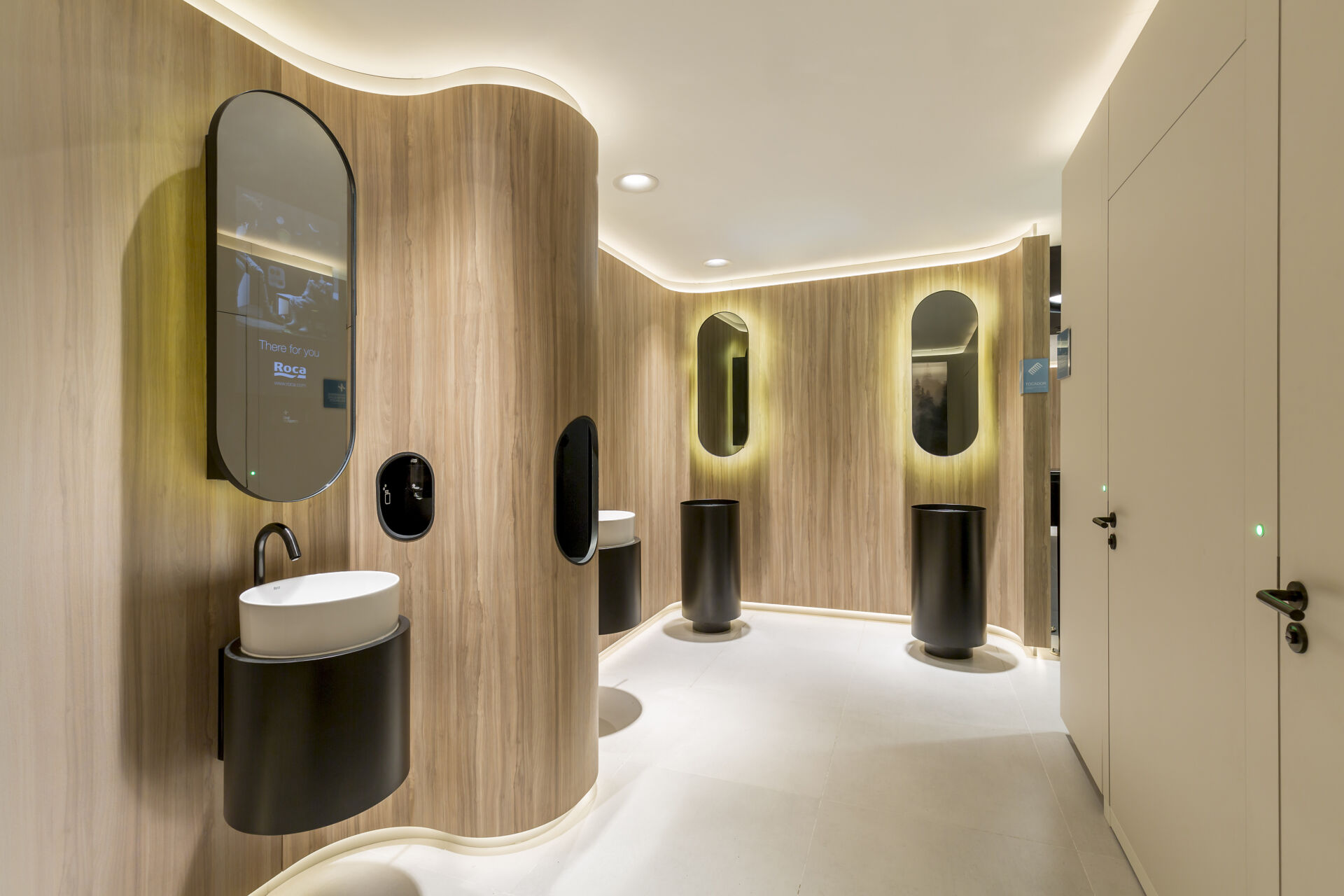
This comprehensive post delves into key principles of effective design, the integration of technology, and case studies of iconic facilities worldwide. Discover how innovative approaches to public restrooms enhance user experience, promote. Conclusion Modern public restroom design is a complex, multi-faceted discipline that combines aesthetics, functionality, and accessibility.

How Can We Improve the Design of Modern Public Restrooms?
The photograph provides a glimpse into how architects and designers address these challenges, creating spaces that are not only functional but also safe and welcoming for all users. Through thoughtful design, public restrooms can significantly enhance the. Public restrooms are essential to any public space, whether a park, shopping mall, or airport.

The design and functionality of these restrooms play a significant role in providing a positive user experience. As we move through 2024, several key trends and considerations are shaping the design of public restrooms. By understanding them, we can create public restroom designs that are functional.