Typically, ice baths involve using ice cubes or adding cold water to the bath to achieve a temperature between 10-15°C. The practice is commonly used by athletes to help reduce inflammation, aid in muscle recovery, and enhance performance. Frequently Asked Questions (FAQ) What are the benefits of ice baths? Ice baths are thought to offer a range of benefits, including reducing inflammation and muscle soreness, improving circulation, and boosting the immune system.

Ever wondered if ice bath benefits are worth the discomfort? We're going to answer that today and share when not to ice bath as an athlete. Interested in learning everything there is to know about ice baths? We'll answer all of your questions (and more!) in our ultimate ice bath guide. Curious about trying ice baths? Discover their benefits, risks, and get a step-by-step guide for safe practice.
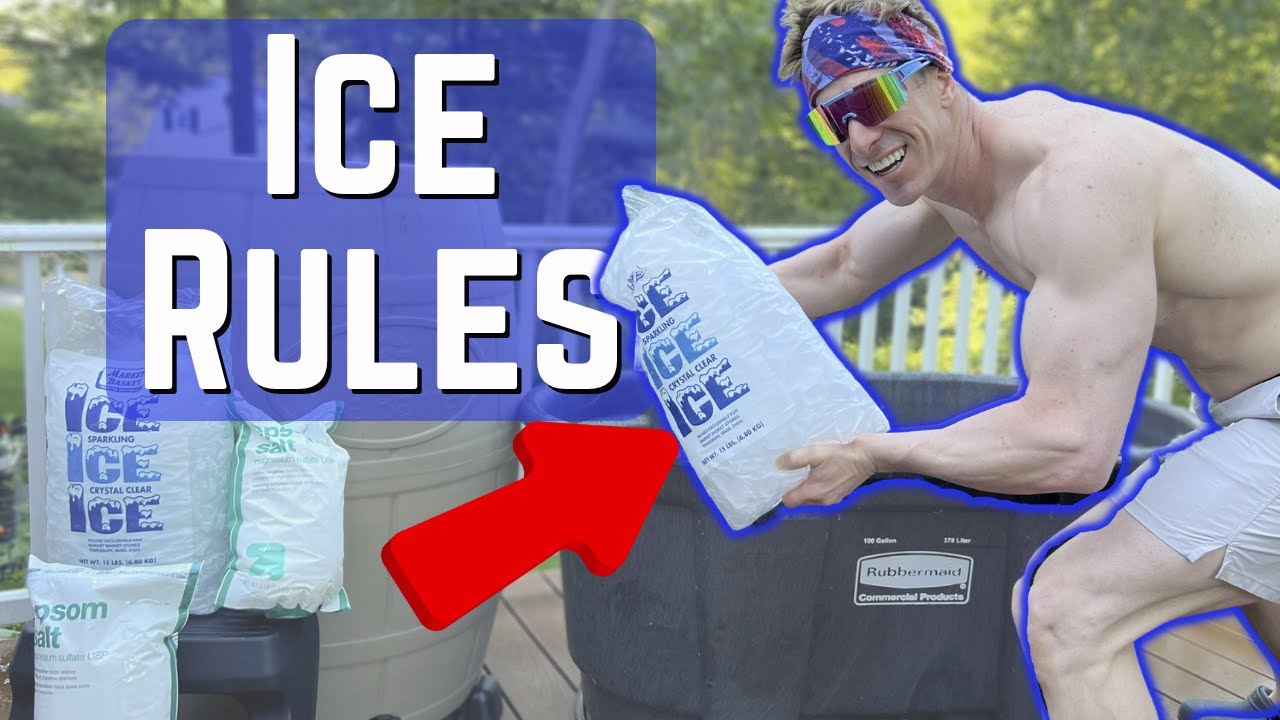
Ice Bath Questions - Portable Ice Bath UK
Learn how to prepare, what supplies you'll need, and the best tips to maximize recovery while minimizing risks. Mentally, the discipline builds over time. 🧊 FAQ: Ice Bath Protocol Questions How long should I stay in an ice bath? Start with 2-3 minutes.

Use this calculator to personalize based on weight, experience, and mindset. How often should I cold plunge per week? Aim for 3-5x/week. Start with 2-3 sessions.
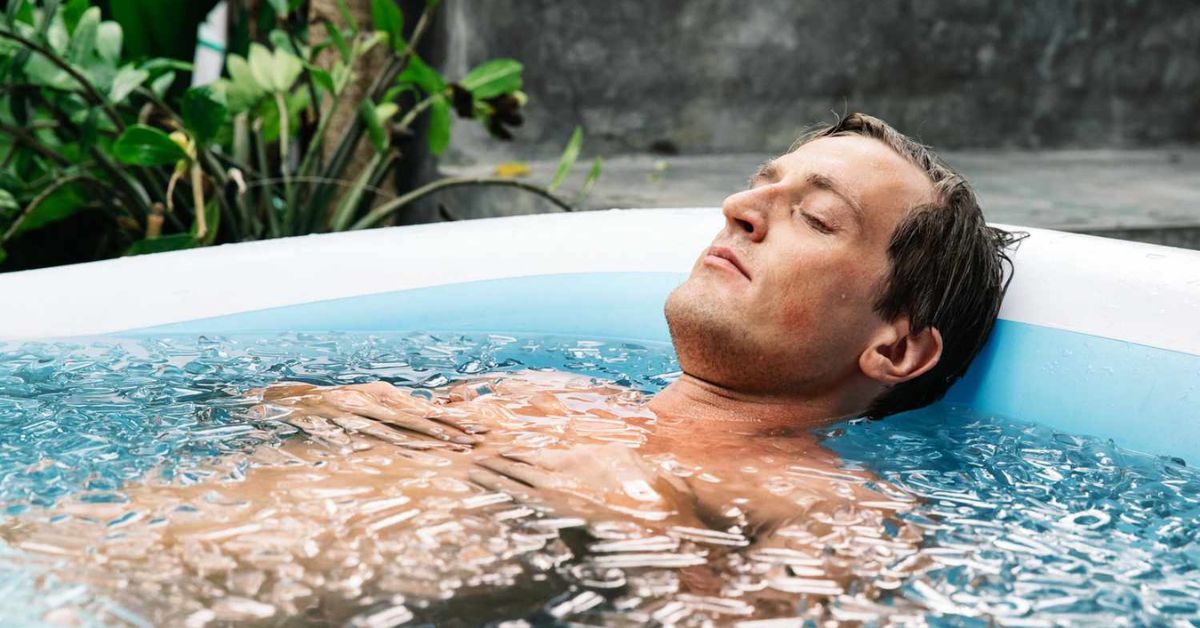
The Ultimate Ice Bath FAQ For Australia - Answering Questions We Get A
When should I cold plunge? Ice baths: your 6 most common questions, answered What is an ice bath? The clue is in the name, really. Cold-water enthusiasts rave about the benefits of ice baths, claiming that frigid showers, baths and swims can speed recovery, numb pain, prevent colds and lift mood. So, is it time to take the plunge? The answer likely depends on your current state of health, along with your goals.

An ice bath may have benefits for inflammation, muscle soreness, and exercise recovery. It lowers your body temperature and increases blood circulation. What to Do Before an Ice Bath? Learn the key dos and don'ts-like hydrating, checking water temp, breathing right, and avoiding rookie mistakes.