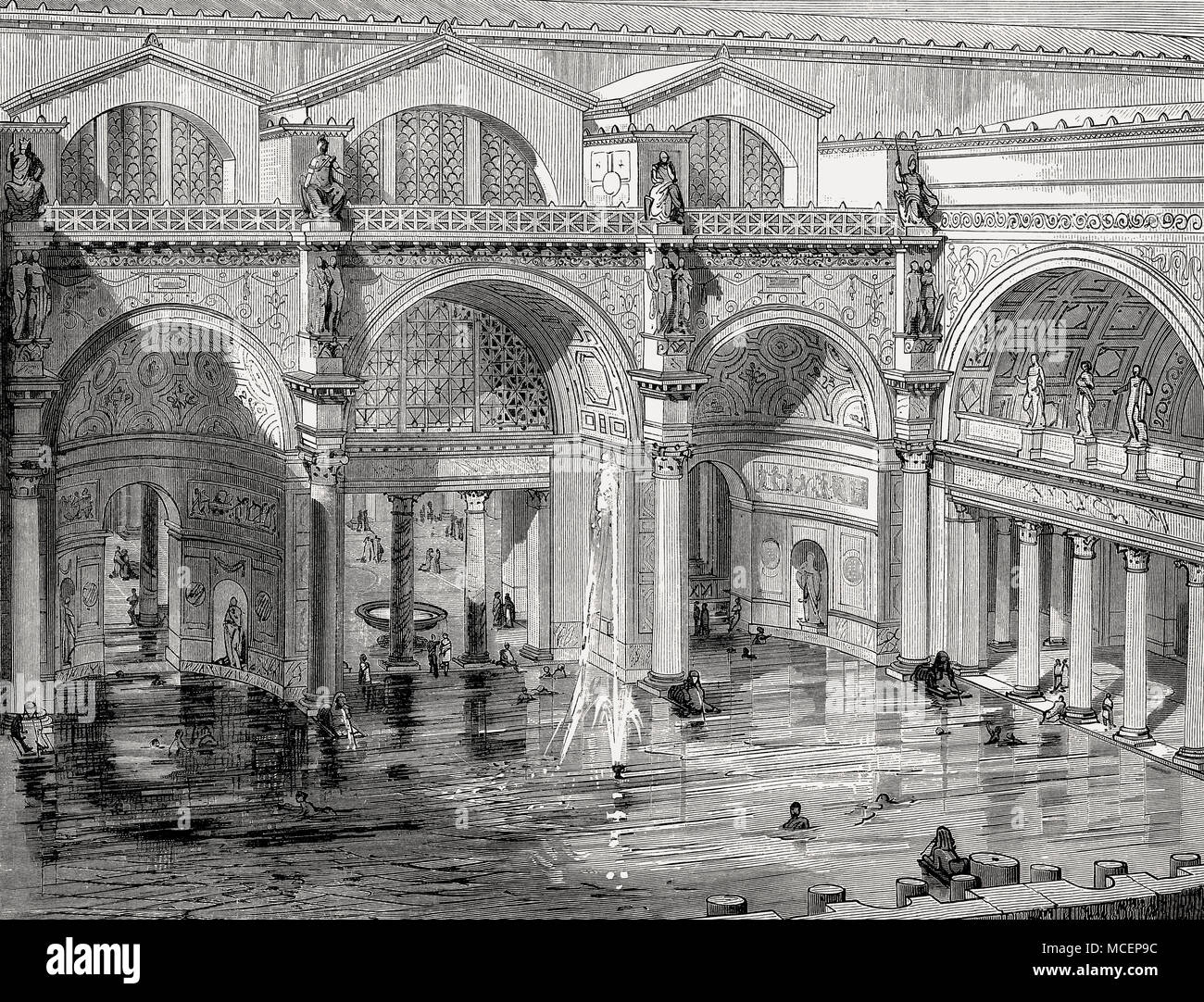
Thermae Roman public baths in Bath, England. The entire structure above the level of the pillar bases is a later reconstruction. Bulla Regia, inside the thermal baths In ancient Rome, thermae (from Greek θερμός thermos, "hot") and balneae (from Greek βαλανεῖον balaneion) were facilities for bathing.

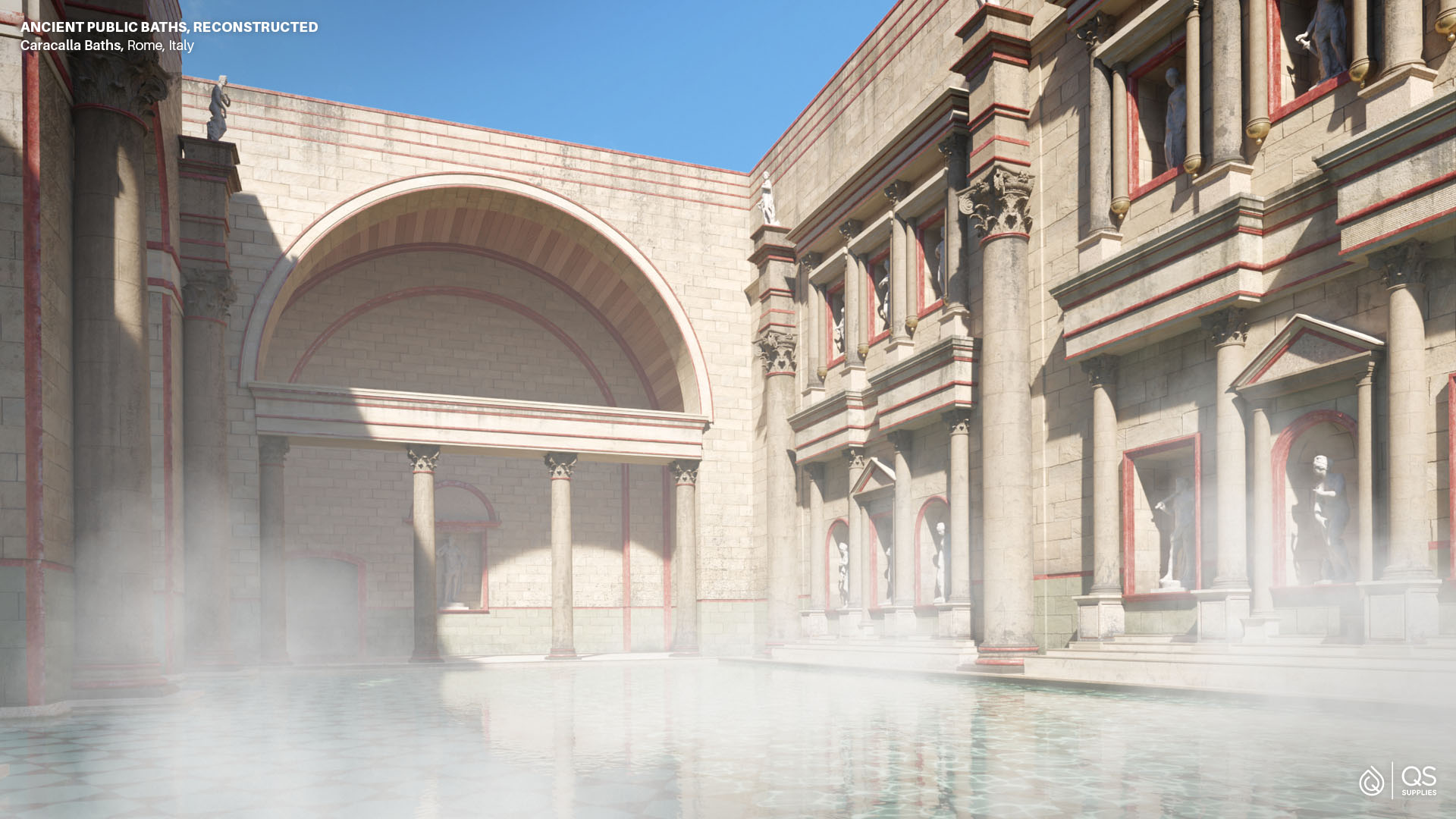
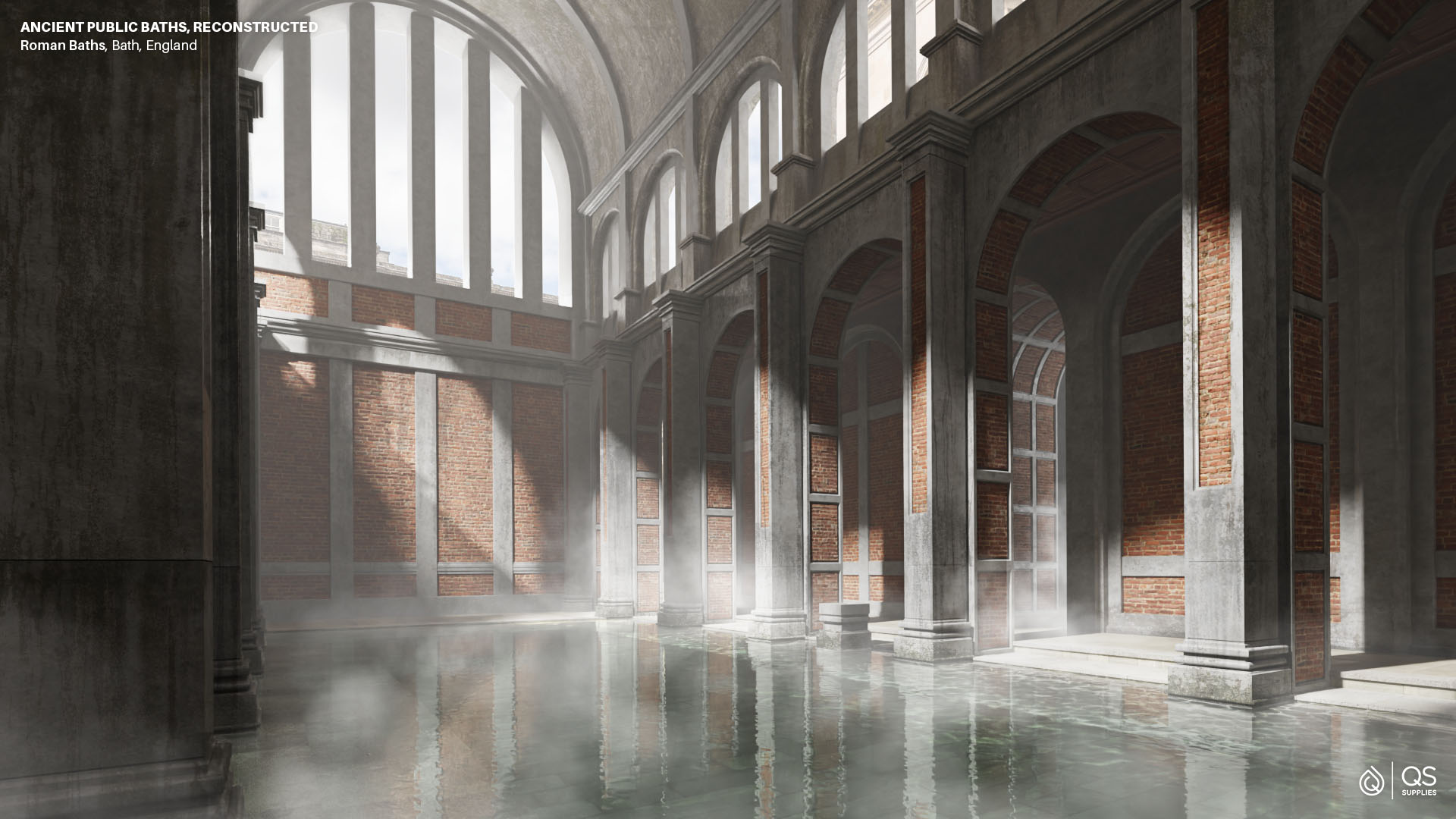
A new interactive 3D reconstruction of ancient Rome is giving viewers the opportunity to virtually transport themselves back in time and explore the capital of the Roman Empire as it was during. A digital reconstruction of what the Roman Baths in modern-day Bath, England may have looked like. Reconstruction created by NeoMam Studios, commissioned by QS Supplies.
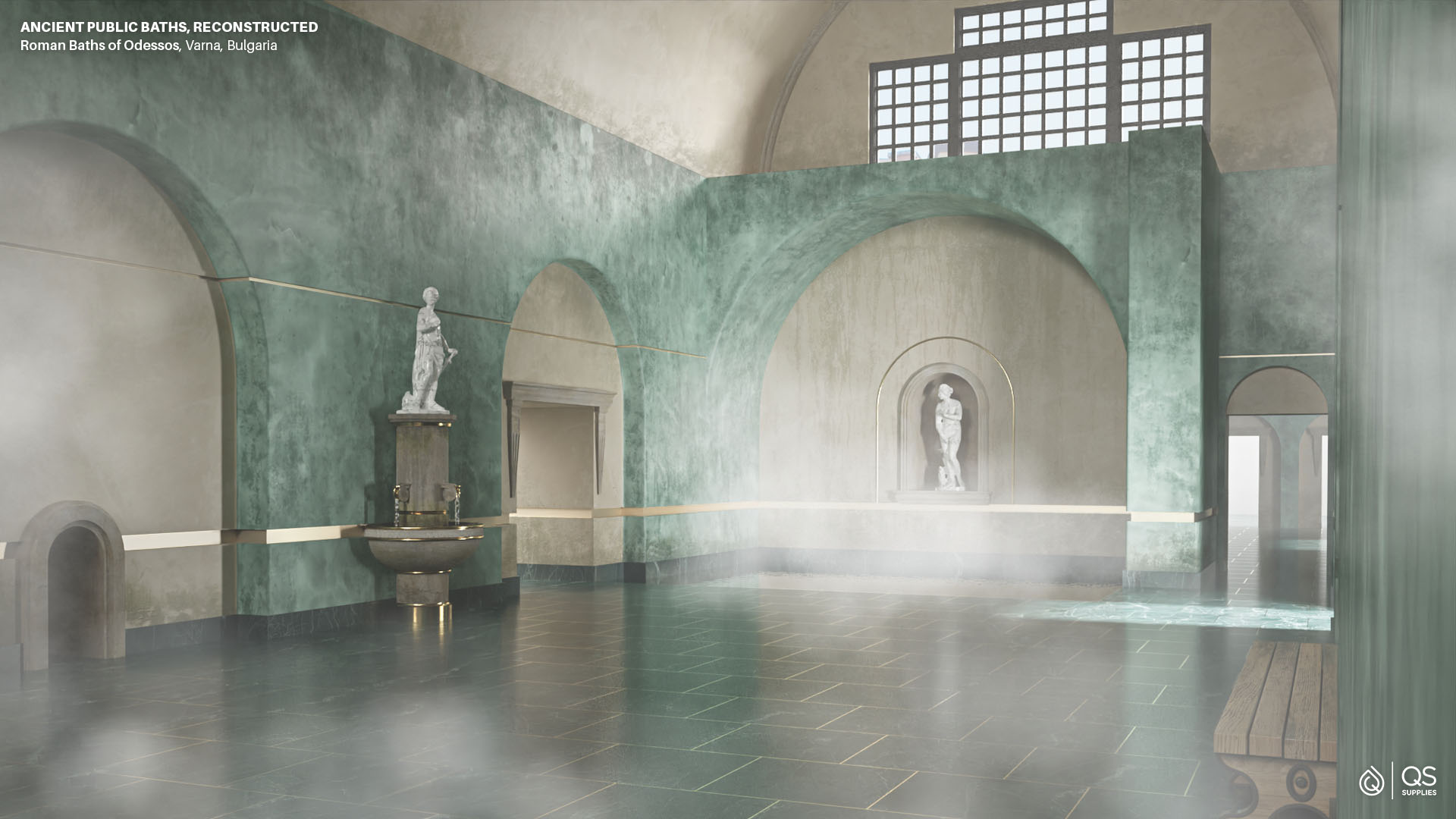
Roman Baths of Odessos - Digital Reconstruction (Illustration) - World ...
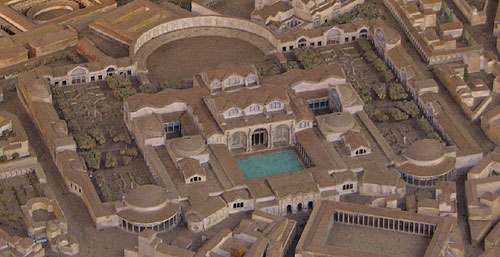
To read about a colorful mosaic uncovered in a Roman house, go to " The Medusa of Mérida." Aerial view (left) and 3D reconstruction (right) of the Eastern Baths, La Alcudia, Spain. Home Architecture The Roman Baths of Bath: A tale of two architects, a heated competition and a fascinating restoration In the late 19th century, the eponymous hot baths of this city were recast in their modern form. Clive Aslet describes this fascinating transformation.
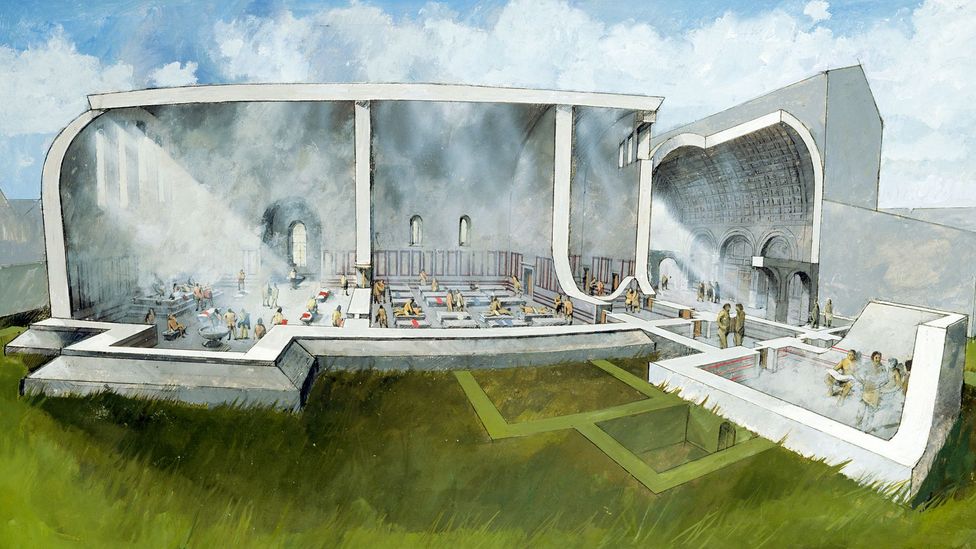
Photographs by Paul Highnam. This was followed by a warm bath in the one of the tepidarium rooms, some time in the circular shaped saunas, the laconicums, and finally a cold water rinse off in the rooms known as frigidariums. Fig 1: Typical plan of a Roman Bath Fig.
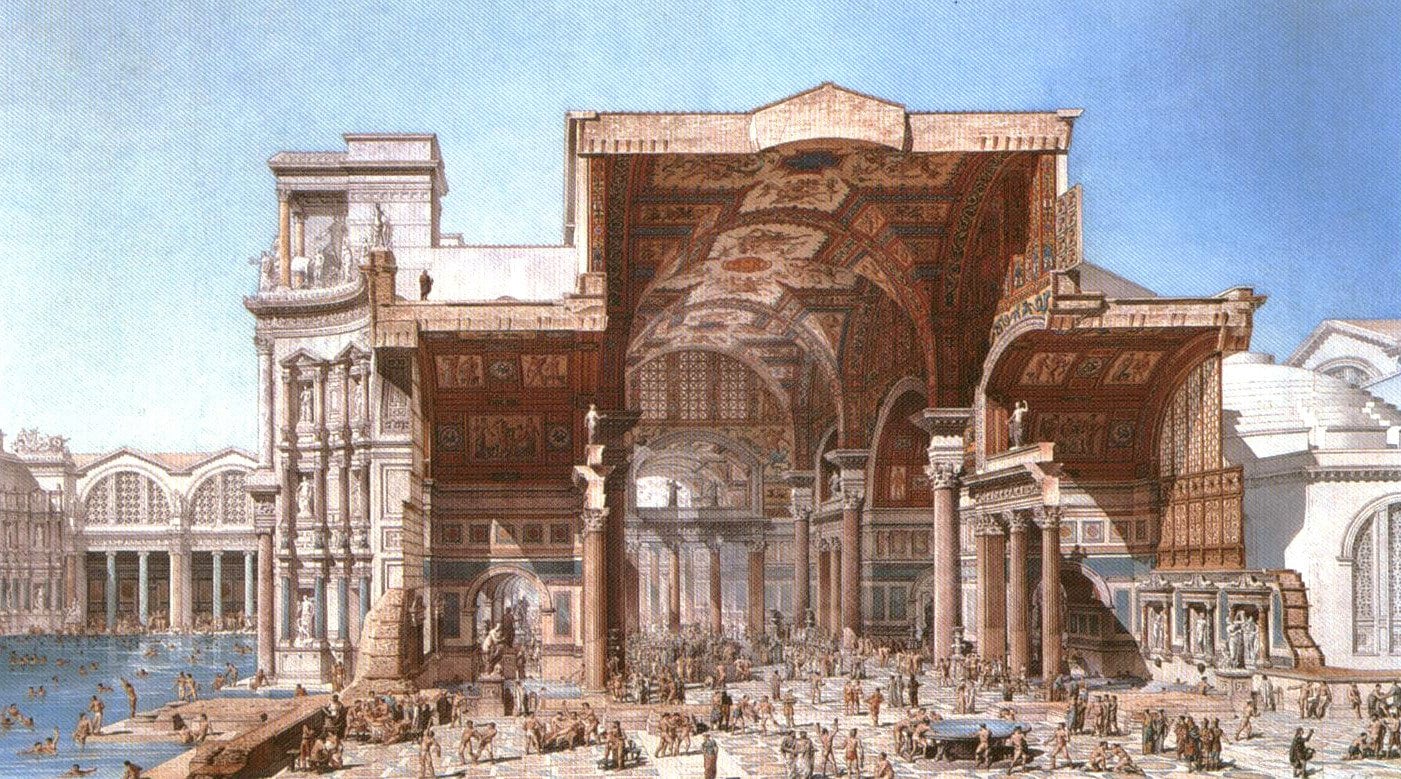
about 60 Roman Bath reconstruction | Roman house, Ancient rome ...
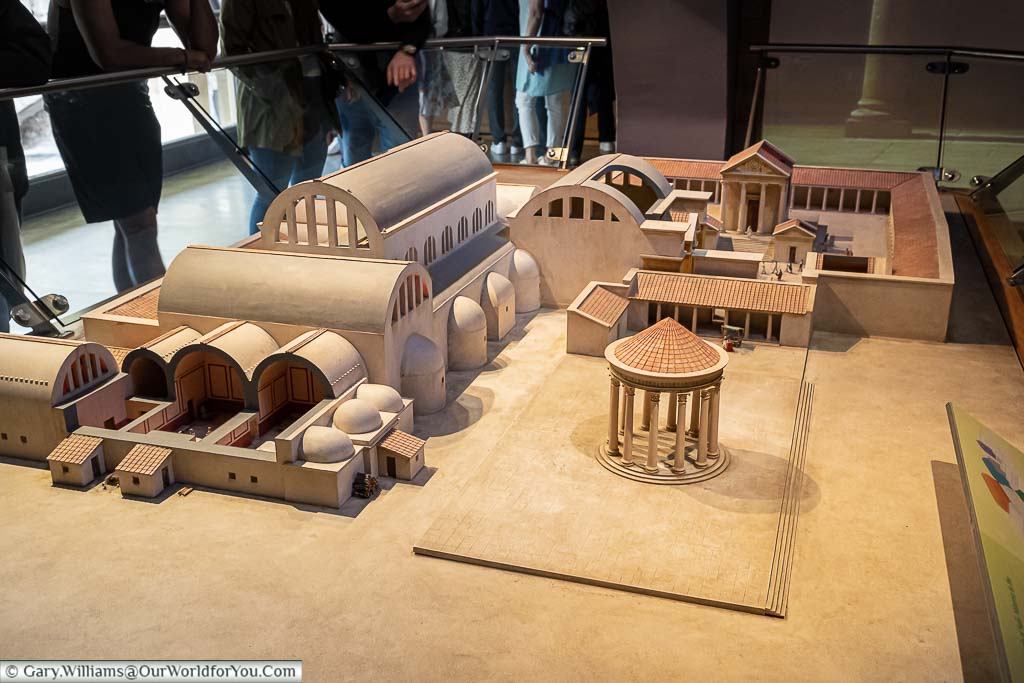
2: Reconstruction of the Baths Fig. 3. Outside of the Baths at the Villa II.

Building Materials and Decoration. Thermae: A Roman Bath Reconstruction Thermae, Latin for communal baths, visually explains qualities of Roman baths and bath complexes. Difficult to comprehend in flatland, the bath house architecturally aligns a heating and cooling system with social and hygienic programming.

Bathing with Romans
As the most intact thermae in Rome, the Baths of Caracalla fall into this category. Therefore its reconstruction required careful attention to many different facets, from room dimensions to mosaic patterns. Even though much of the structure still exists, the published, publically available data were surprisingly sparse.

This reconstruction represents what the Baths of Diocletian would have looked like during Late Antiquity. These baths could host up to three thousand people at once and contained libraries, concert halls, gardens, art exhibition halls and a gymnasium and were supplied by water from the Marcia Tepia Iulia aqueduct.