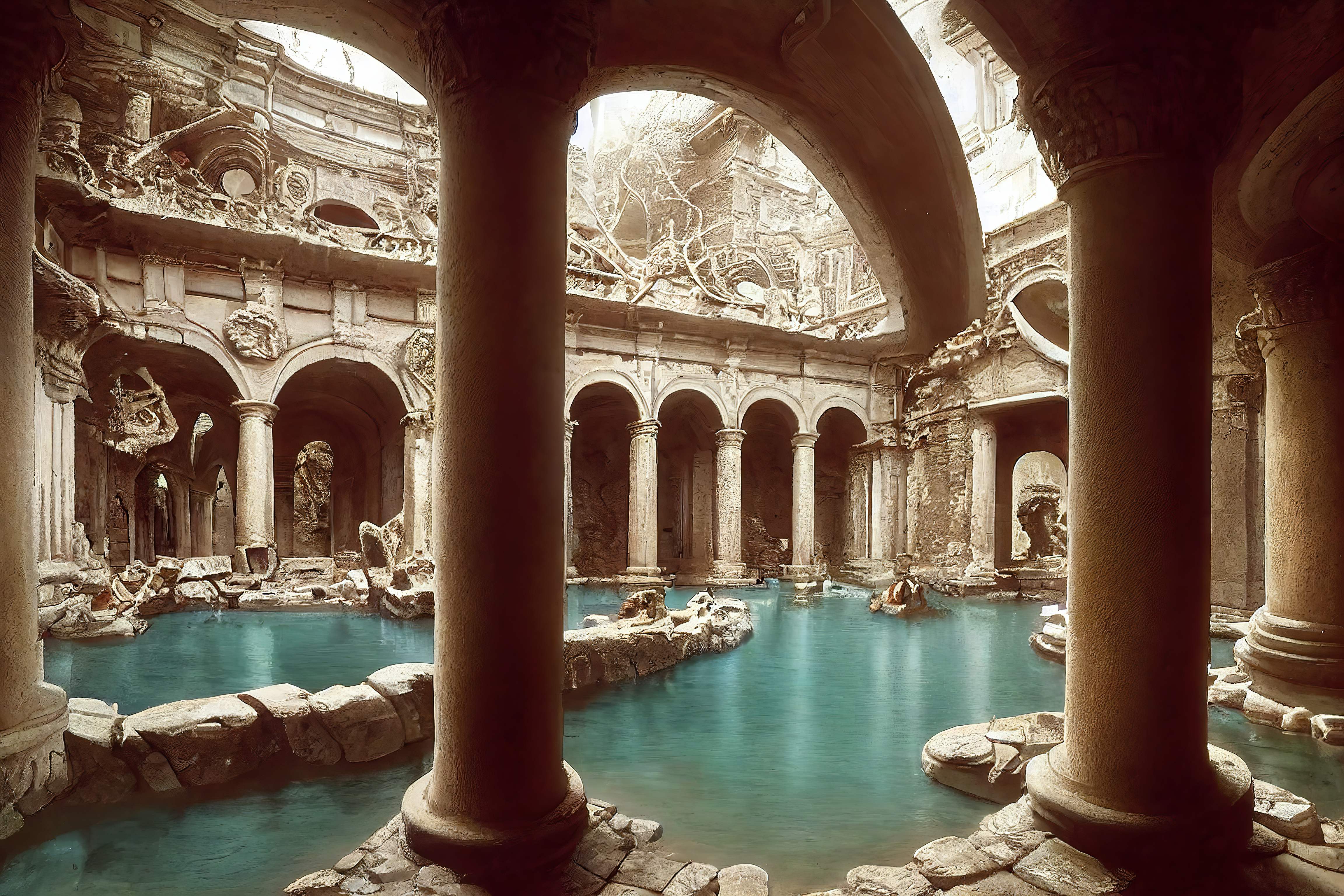
Ancient Roman baths were centers for bathing, exercise, business, and pleasure-essential to daily life, leisure, and social interaction. A family in Jerusalem have discovered a 2,000-year-old bath, under the floor of their living room, thought to bear the scars of the Roman siege of the city. Remains of the Baths of Trajan, Rome Bathing played a major part in ancient Roman culture and society.

It was one of the most common daily activities and was practiced across a wide variety of social classes. [1][2] Though many contemporary cultures see bathing as a private activity conducted in the home, bathing in Rome was a communal activity. Always located in restored historical buildings, Aire Ancient Baths builds the baths under ground.

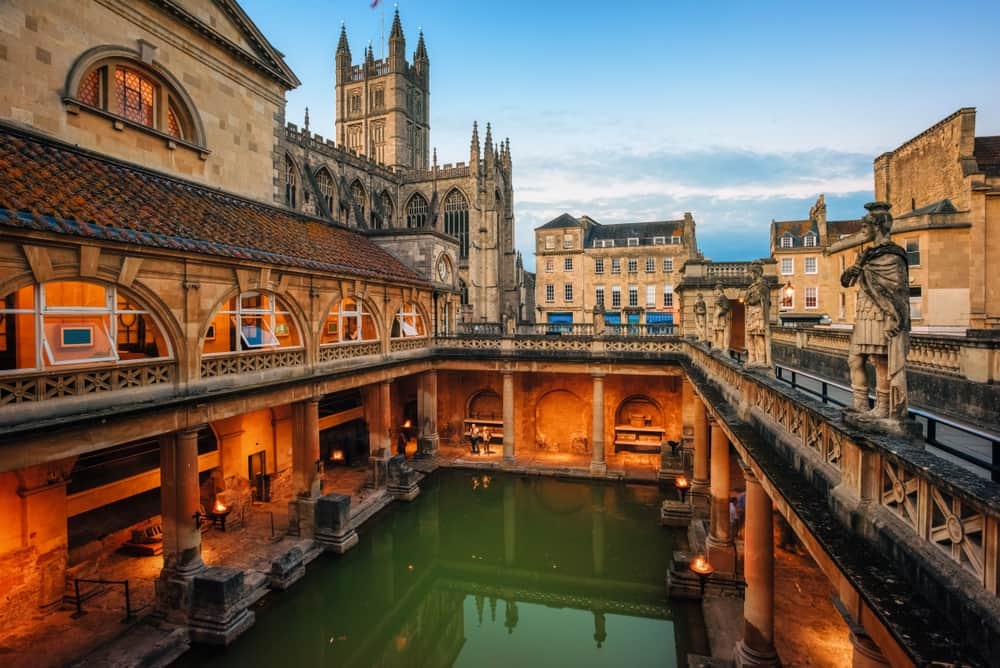
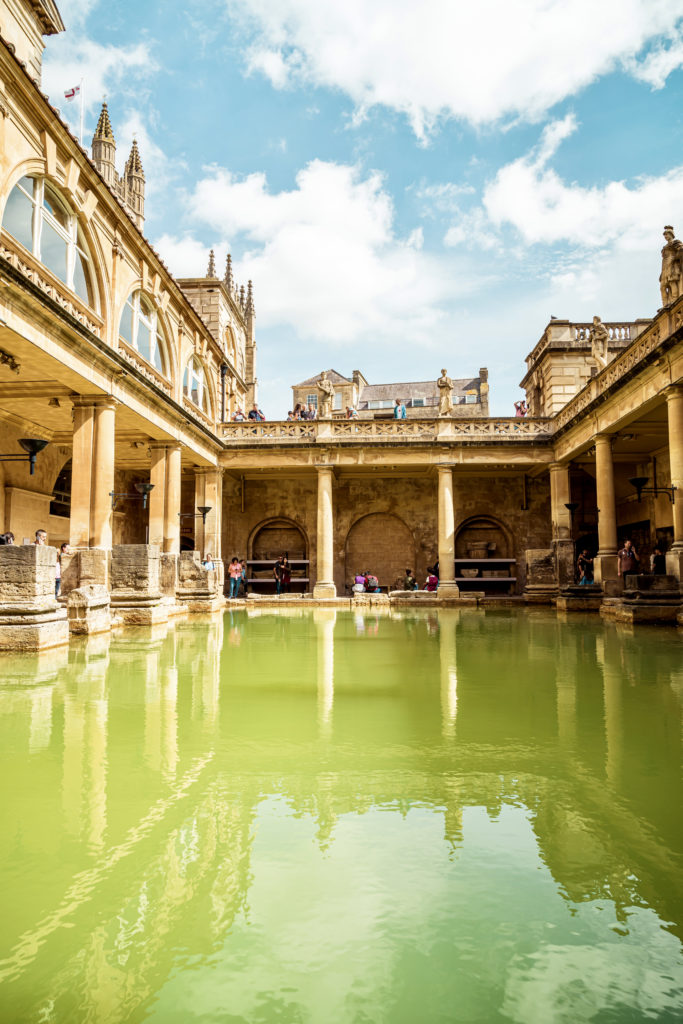
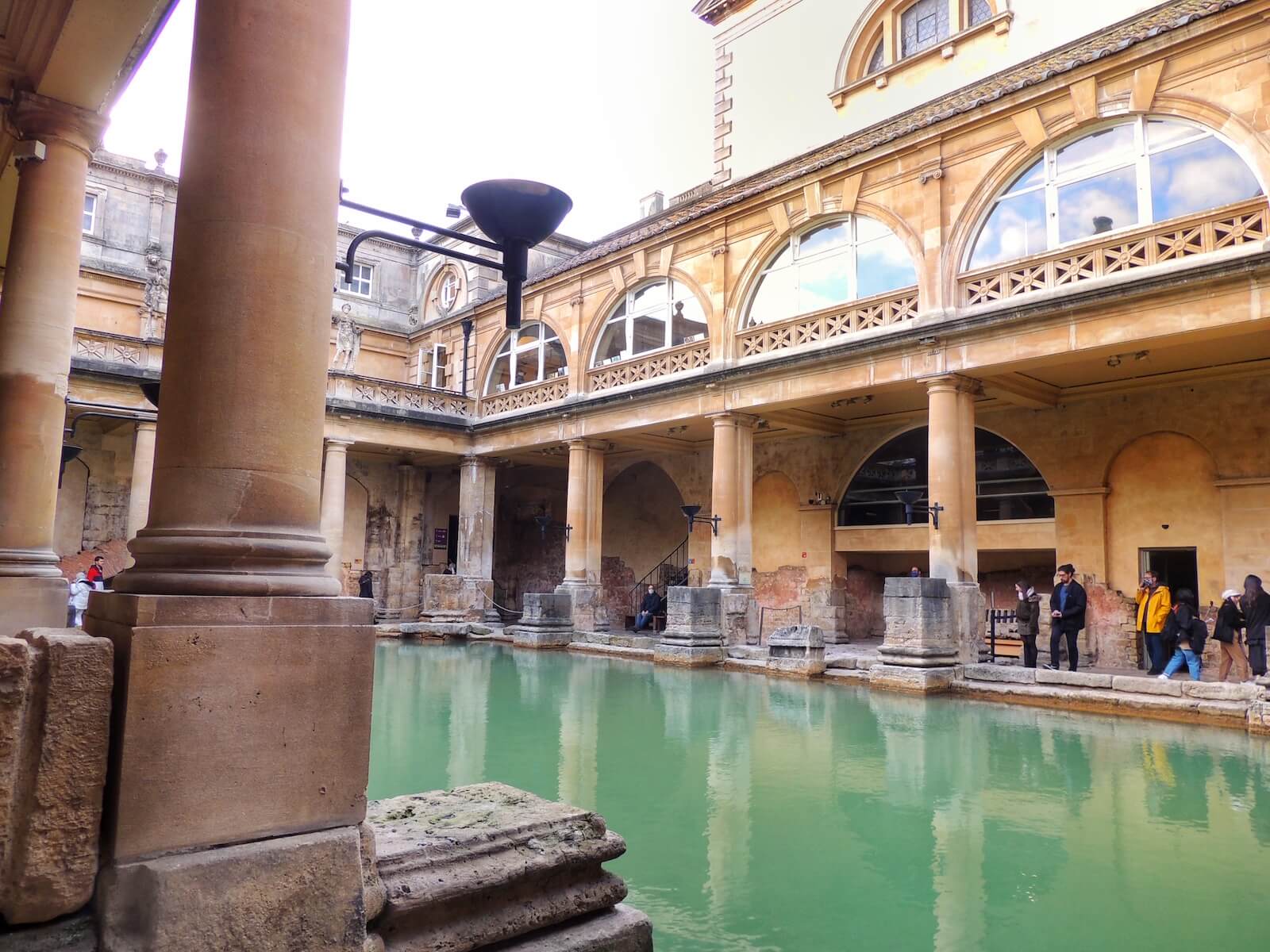
A Guide to the Roman Baths at Bath - Through Eternity Tours
Roman baths were designed for bathing and relaxing and were a common feature of cities throughout the Roman empire. Baths included a wide diversity of rooms with different temperatures, as well as swimming. Essential Aspects of Roman Bath House Floor Plan Roman bathhouses, known as thermae, were elaborate structures that served as social, recreational, and hygienic centers in ancient Rome.

Their complex floor plans reflected the multifaceted uses and functions of these iconic buildings. Layout and Zoning Roman bathhouses typically followed a symmetrical layout, with the main rooms arranged along. The Stabian baths thus offer us a well preserved snapshot of an early republican bath that laid the foundations for daily bathing to explode as a popular daily activity throughout the Roman empire.
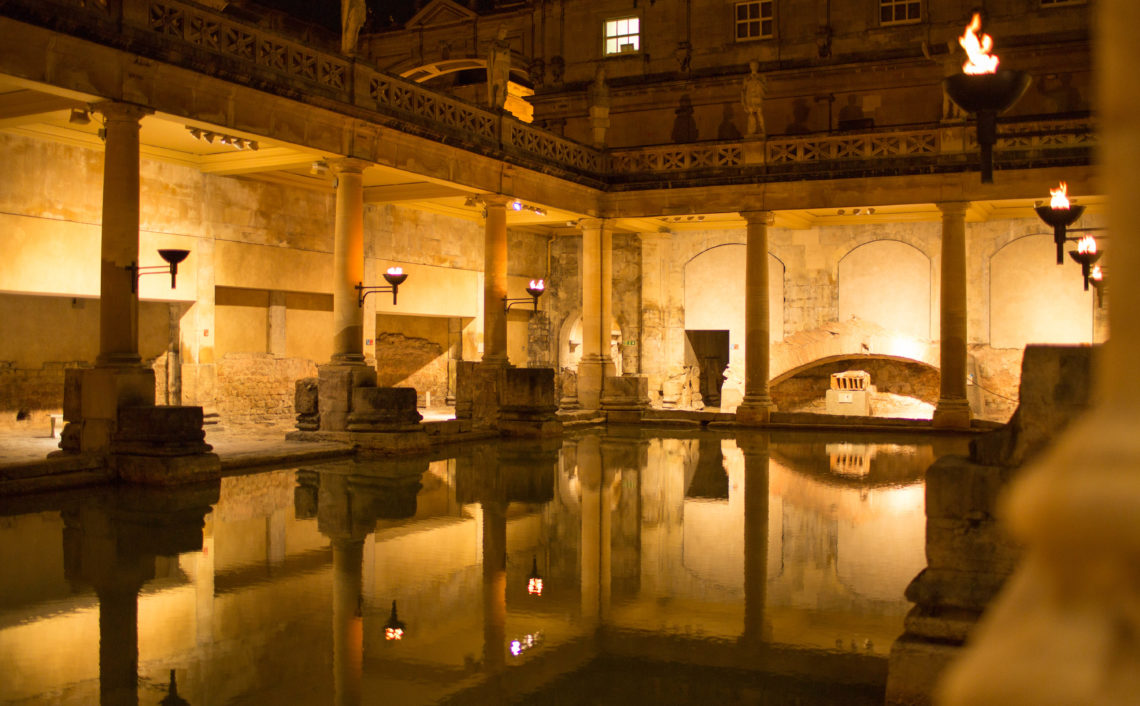
A Guide to the Roman Baths at Bath - Through Eternity Tours
'Baths, wine, and sex make life worth living' The philosopher Seneca, also an advisor to the emperor Nero, lived above a bath complex around 50 CE. Roman decorating styles mimic the architecture that was popular in ancient Rome, which focused on conveying the power, strength and wealth of the homeowners. Roman style consists of opulent fixtures and open spaces, as well luxurious textures and fabrics.
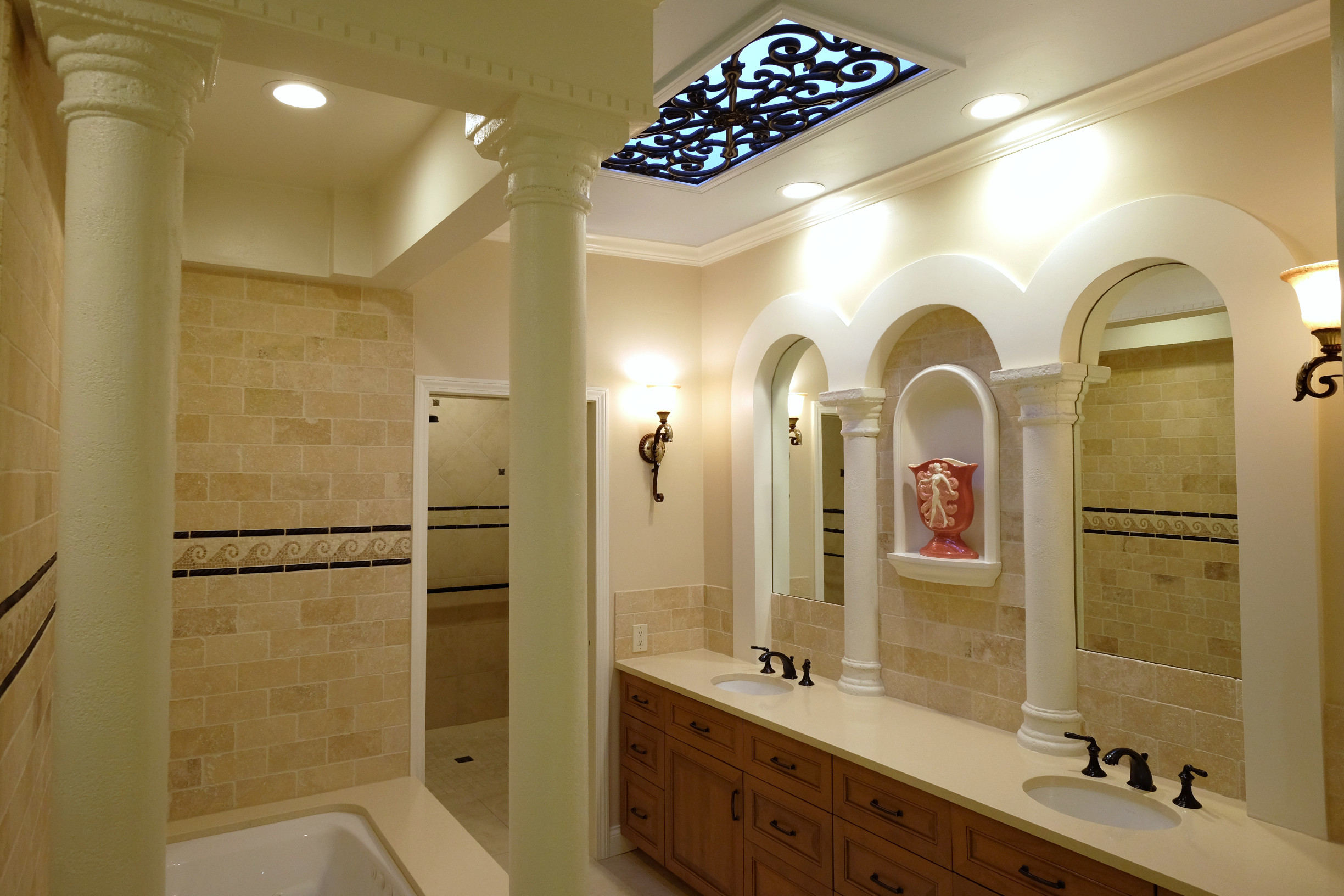
While remodeling your bathroom to reflect this style can be a big task, with a bit of planning you can create the perfect Roman retreat. In Roman society, public baths were more than mere cleansing stations; they were microcosms of Roman life, where hygiene, politics, and leisure intersected. Their legacy endures today, influencing modern spa culture and public wellness practices.