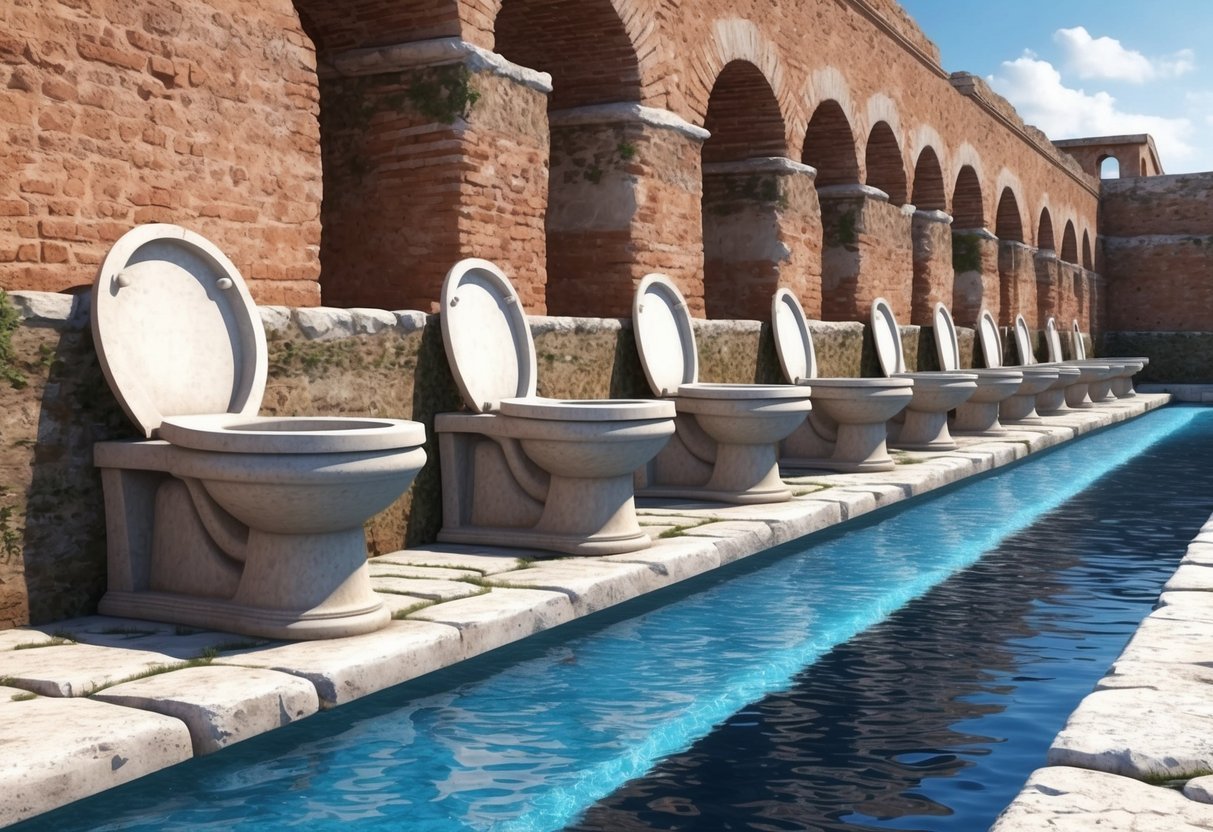
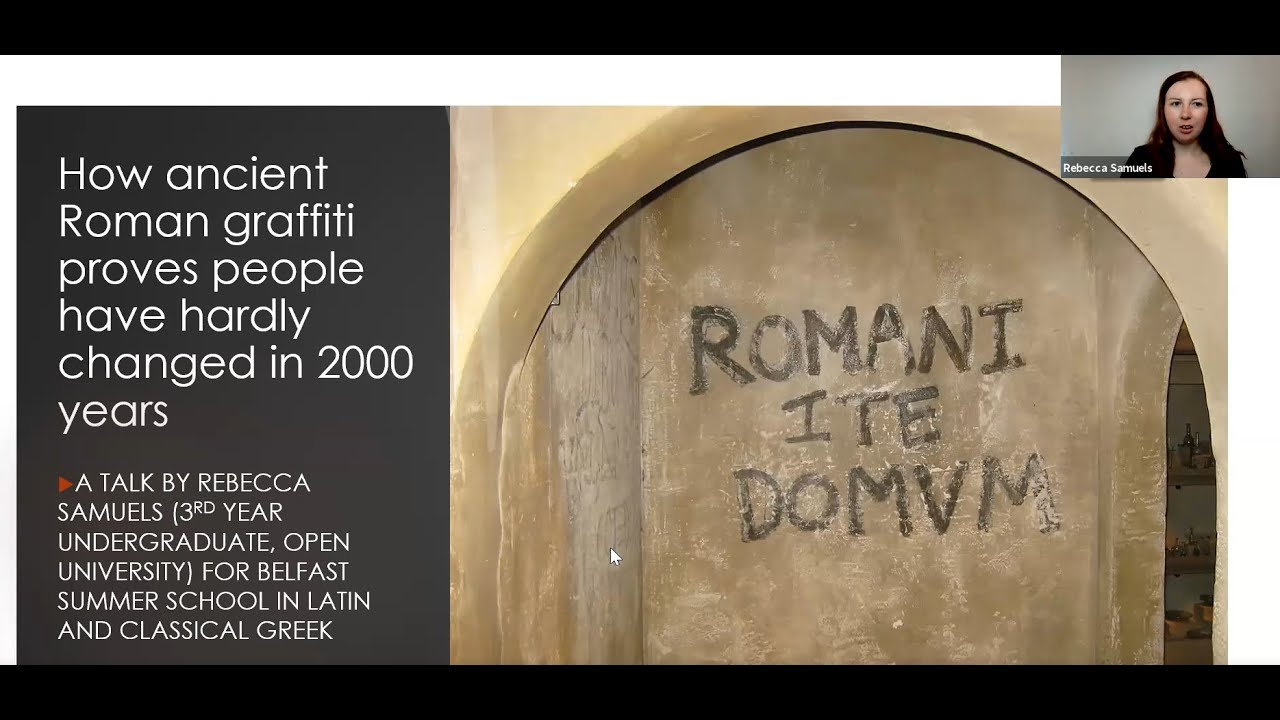
See if any of these remind you of a twenty-first century bathroom. 1. "Philiros spado." "Phileros is a eunuch." 2.
"Lucius Pinxit." "Lucius wrote this." 3. The ancient Romans were notorious for their graffiti, and much of it is preserved in Pompeii. But a new find in present.
Roman street graffiti found in Bath (guessed to be the three fates ...
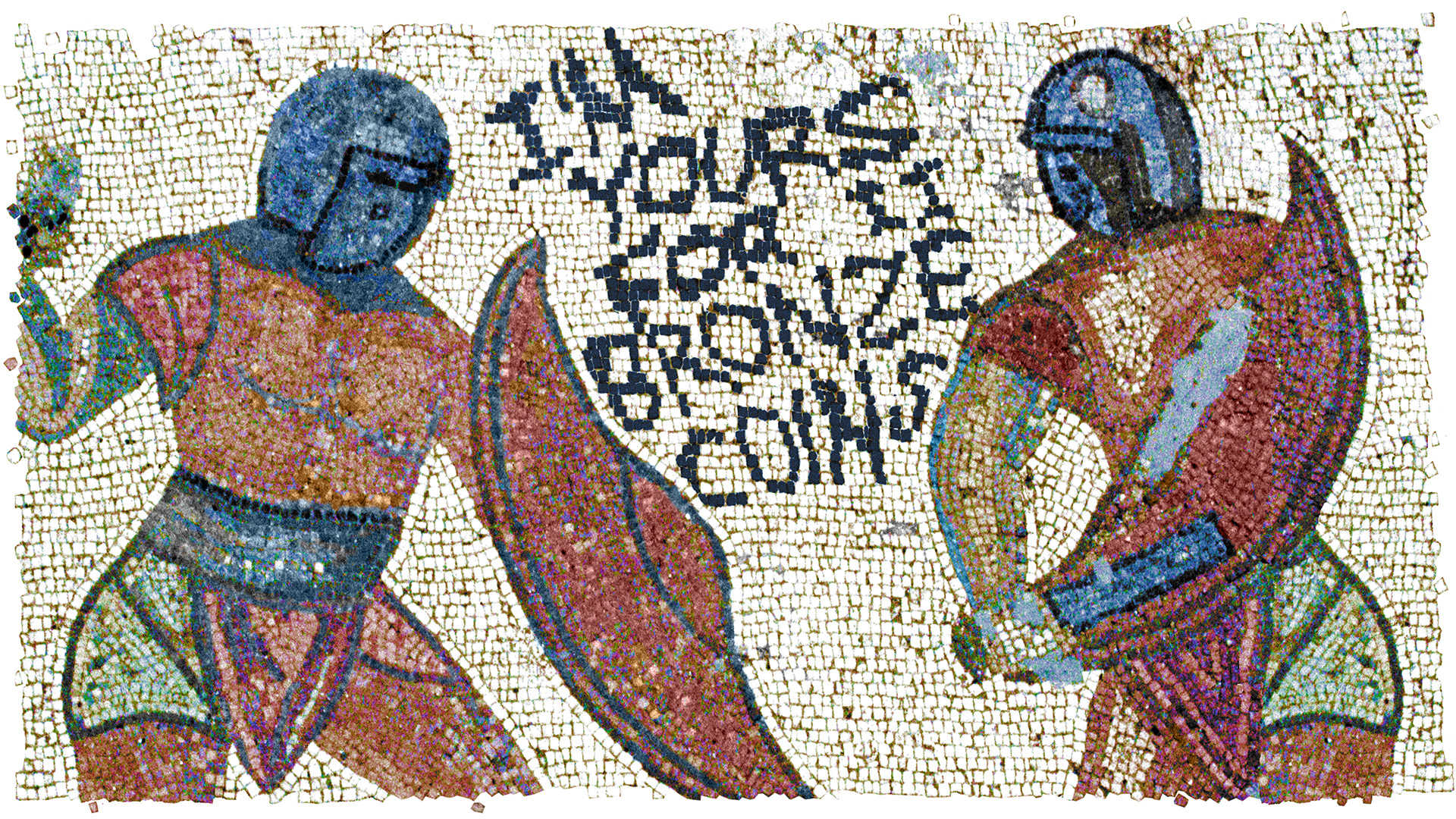
Hidden for thousands of years in the ruins of the coastal city of Antiochia ad Cragum was evidence that ancient Romans were just as immature as we are when it comes to bathroom humor. Archaeologists recently discovered mosaics depicting dirty jokes inside of a Roman latrine in Turkey dating back to. In archaeological terms, graffiti (plural of graffito) is a mark, image or writing scratched or engraved into a surface.

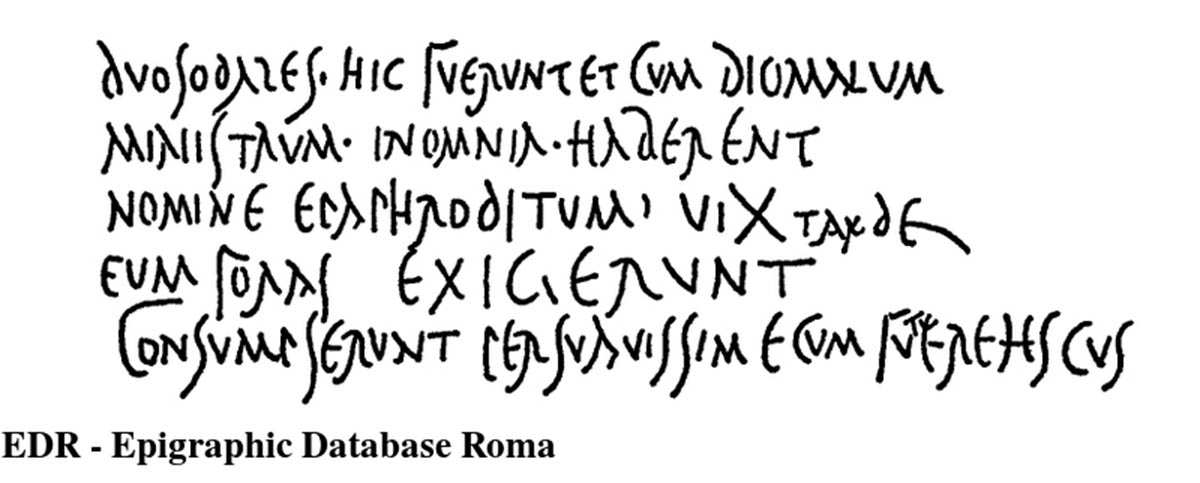
[1] There have been numerous examples found on sites of the Roman Empire, including taverns and houses, as well as on pottery of the time. In many cases the graffiti tend toward the rude, with a line etched into the basilica in Pompeii reading "Lucilla made money from her. These bathroom poems served as a record of what was funny, who's mom you could call for a good time, and other goofy shit.

11 Colorful Phrases From Ancient Roman Graffiti | Mental Floss
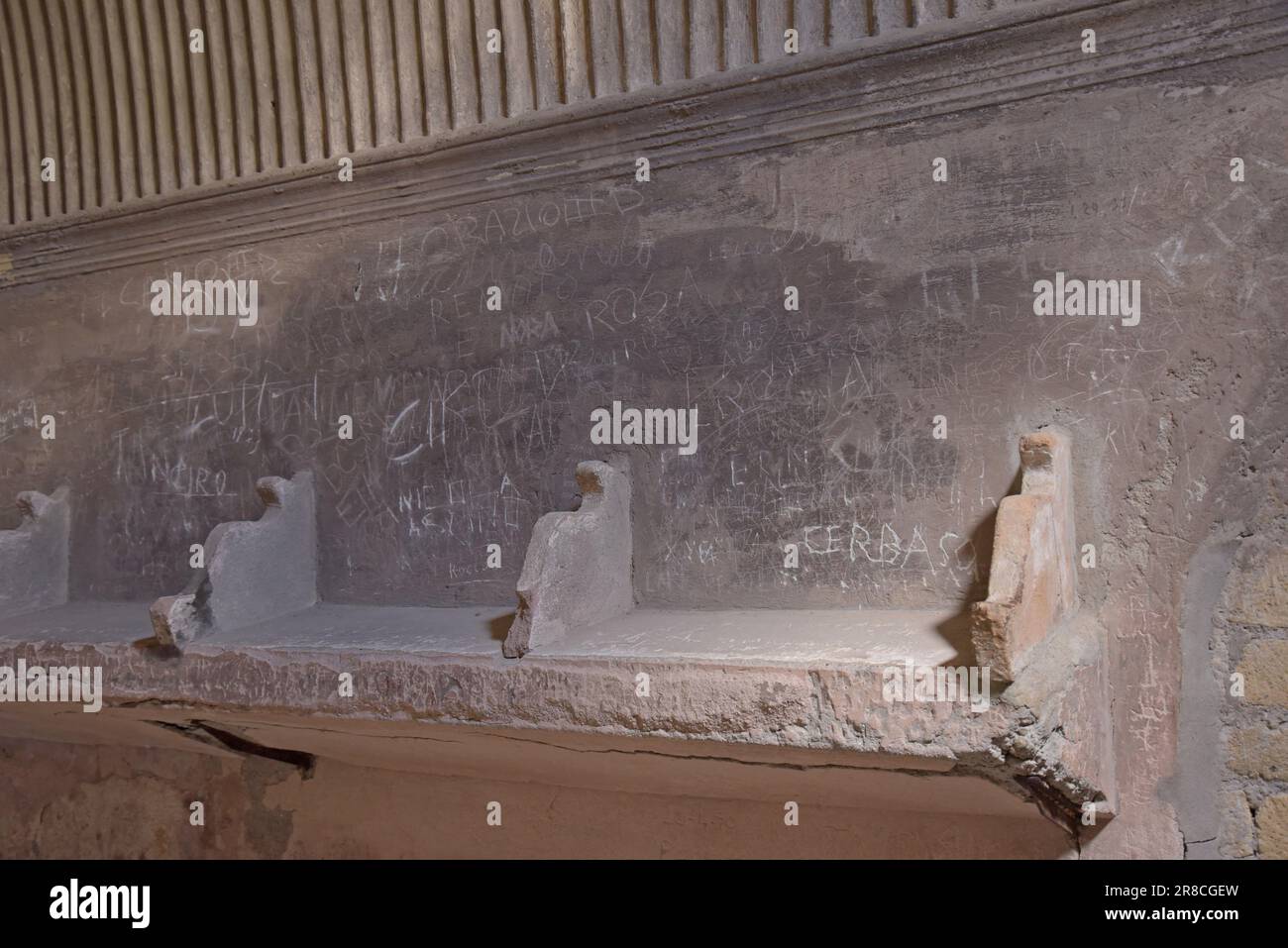
Turns out, modern society didn't invent bathroom graffiti; the ancient Romans did. While bathroom stalls are spaces of privacy, the graffiti is very much aimed at future occupants. And unlike most forms of written communication that appear in public spaces (books, newspapers, even graffiti on buildings), these images and messages are intended for the eyes of the same sex.
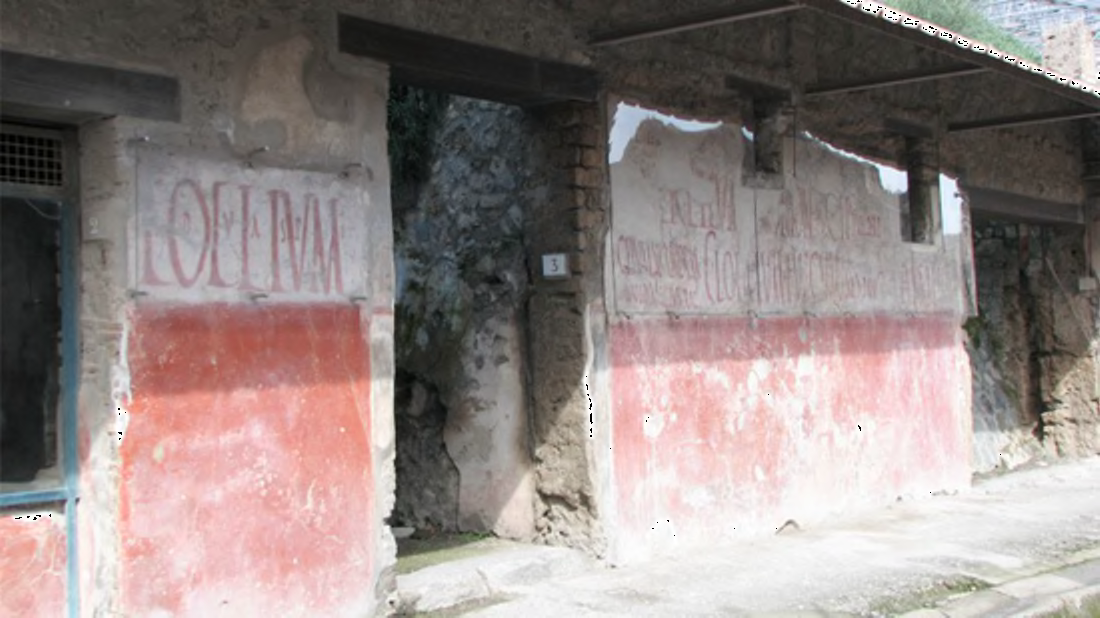
Explore daily life in ancient Rome through Seneca's bathhouse description & Pompeii graffiti. Social life, concerns, & cultural insights. Ancient Graffiti Welcome to The Ancient Graffiti Project, a digital resource for locating and studying handwritten inscriptions of the early Roman empire.
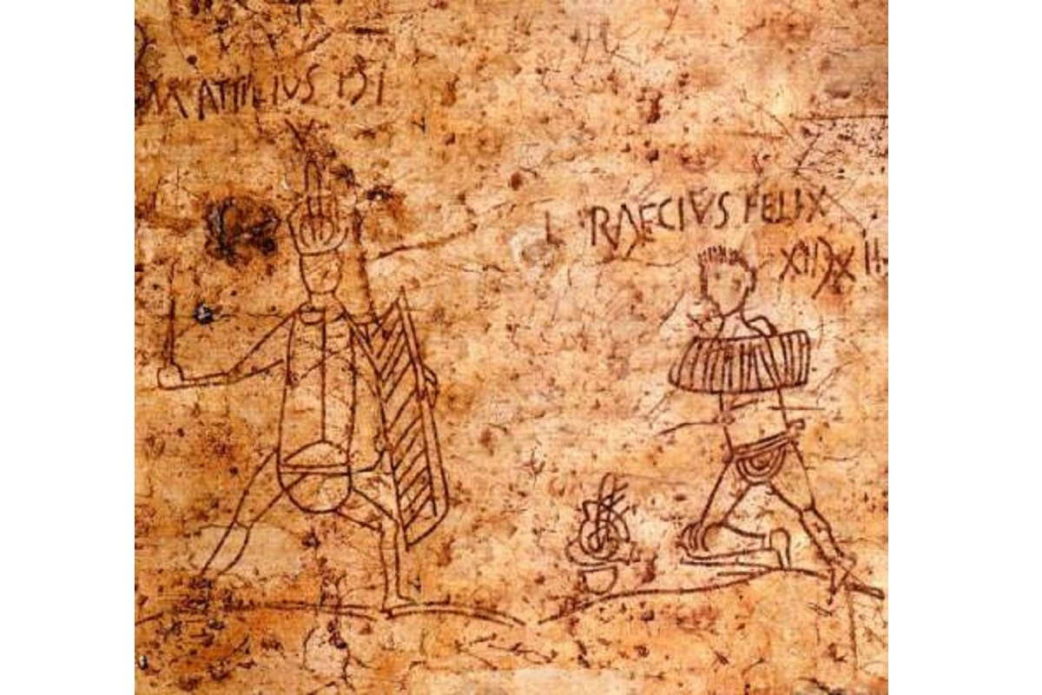
A Tour of Ancient Rome's Best Graffiti: "We Have Urinated in Our Beds ...
These ancient messages and sketches offer a window into the daily life and interests of the people who lived in the ancient world, especially in Herculaneum and Pompeii. They provide perspectives on Roman society, the ancient economy. There is at least a huge quantity of Roman "bathroom graffiti".
In order to make them appear more serious, they are generally called "epigraphy", and they are one of our very best sources about Roman society in general. A Roman life, for many was often short and tough, especially if you were poor. Whereby today we do not condone graffiti, in ancient times such behaviour was observed not as an act of vandalism but as means of the self.