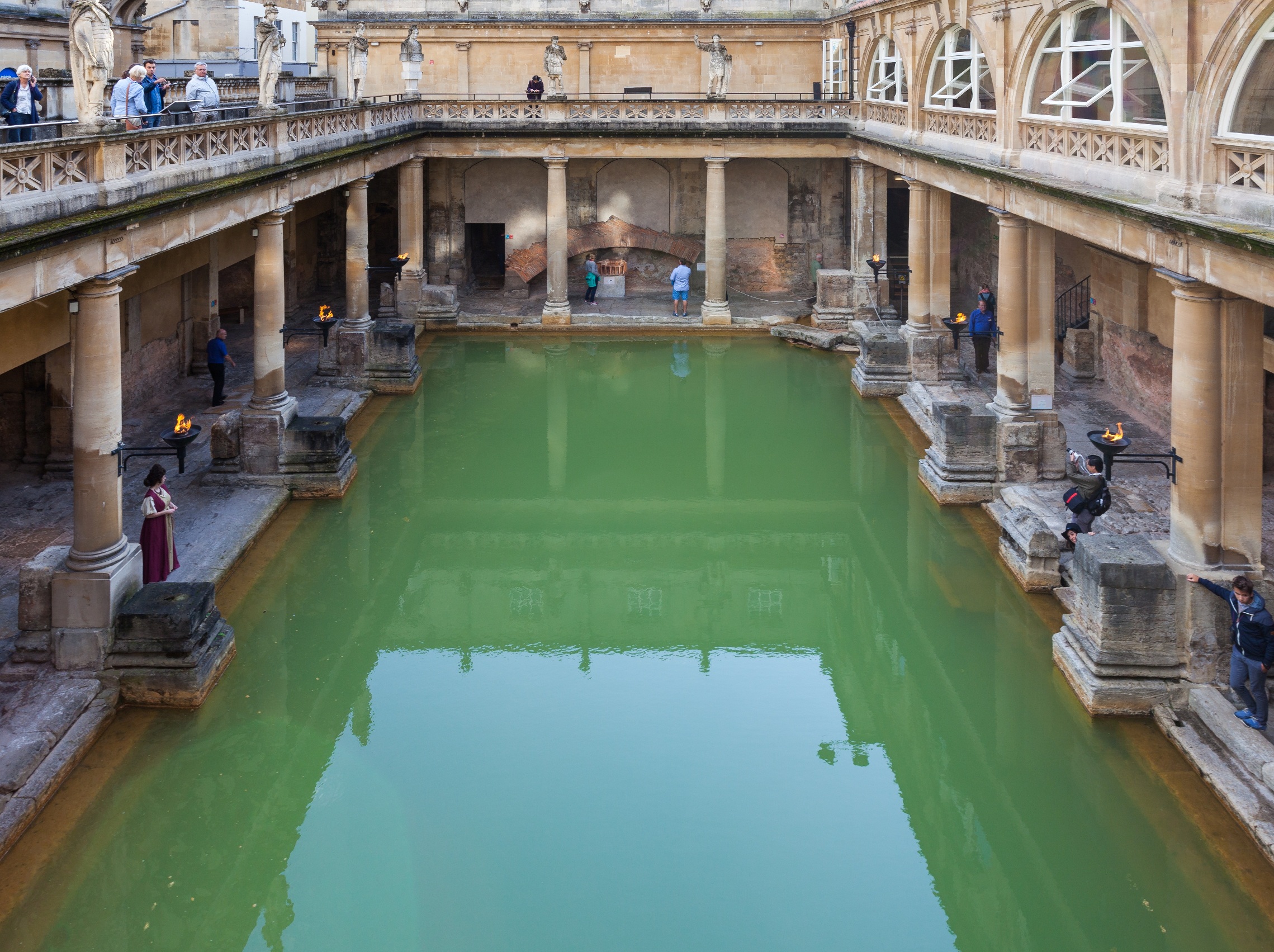
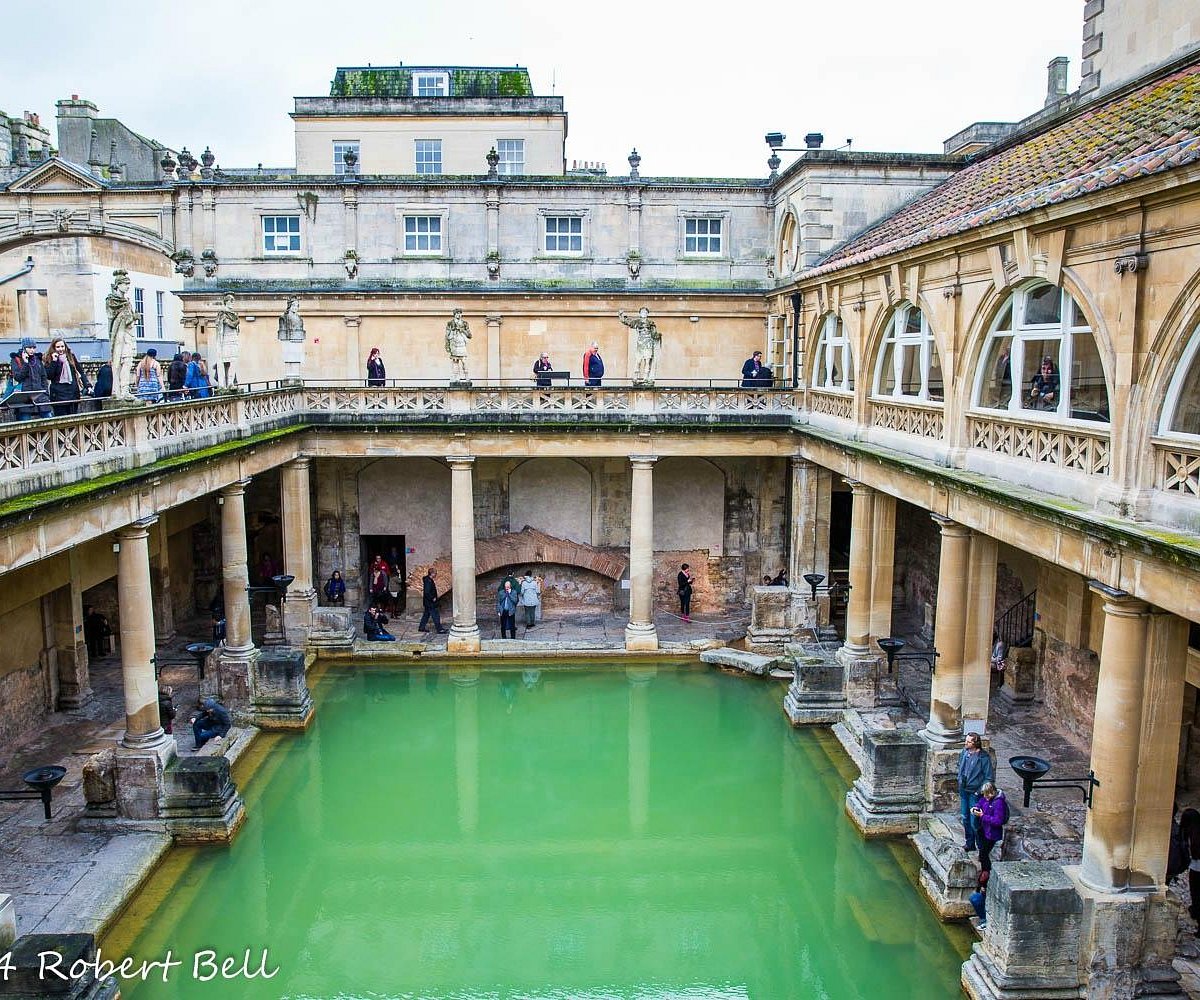
Baños públicos romanos en, Inglaterra, reconstrucción posterior del área de baños. Los mosaicos de los baños termales. Las termas romanas (del griego θερμός thermos, «caliente) son casas de baños de la antigua civilización romana de unas dimensiones considerables.
Si se trataba de baños de menor tamaño, públicos o privados en villas romanas, eran denominados balneae. 1 La. Roman Baths, well-preserved public bathing facility built about 70 CE on the site of geothermal springs in Roman Britain, now in Bath, England, U.K.
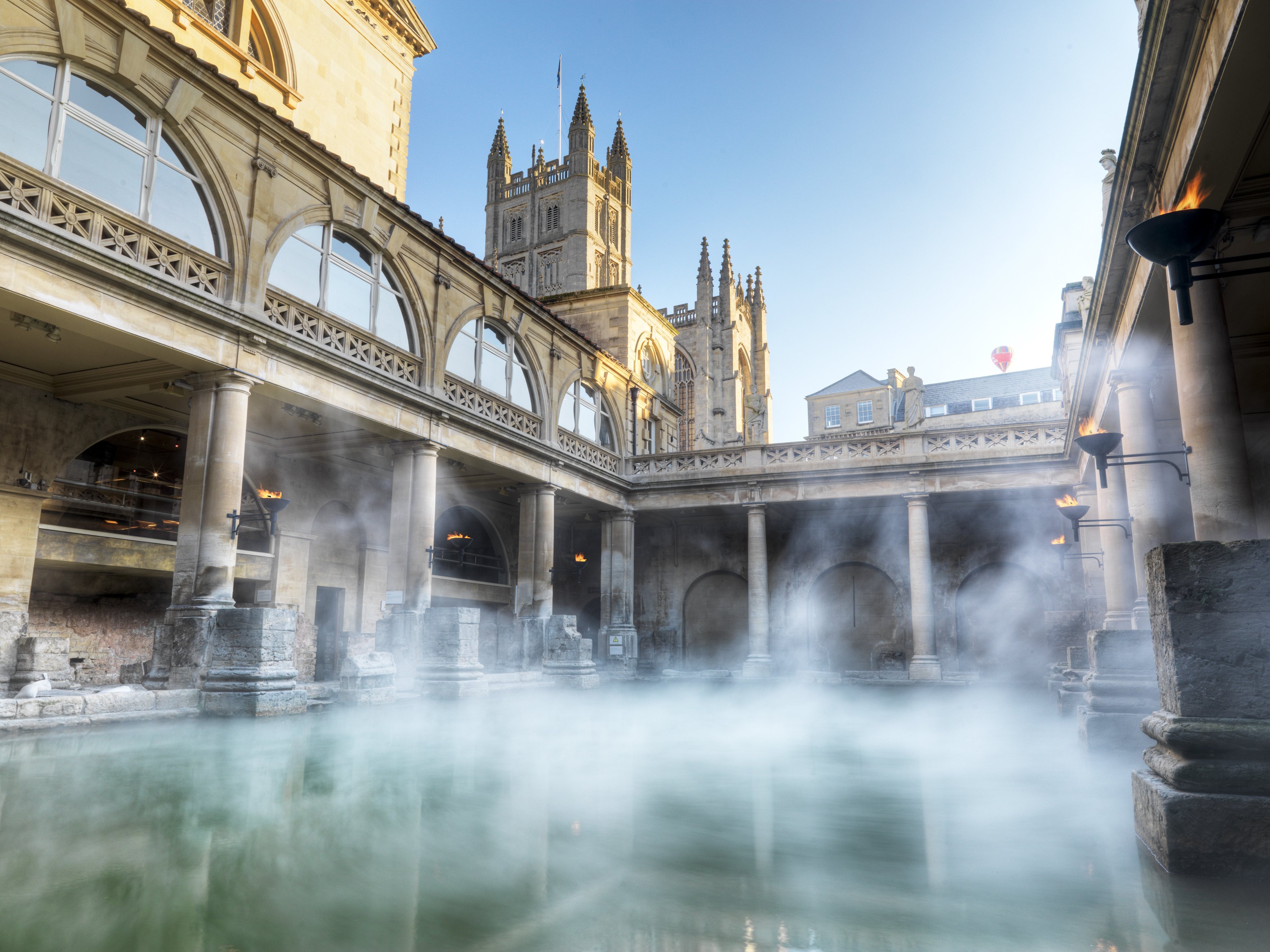
Roman Baths (Bath) - Wikipedia
The hot mineral springs bubble up from the ground at temperatures well above 104 °F (40 °C), and the main one produces more than 300,000 gallons a day. The official website for the Roman Baths museum, 2,000 years of history are waiting for you to discover and explore. Bath alberga muchos edificios históricos que puedes explorar a tu ritmo en nuestro tour Descubrir Bath.

Las termas romanas son uno de los principales atractivos de la ciudad. Tootbus te invita a descubrir 10 datos fascinantes sobre estos lugares tan bien conservados. Grand Pump Room en Roman Baths, Bath, Inglaterra.
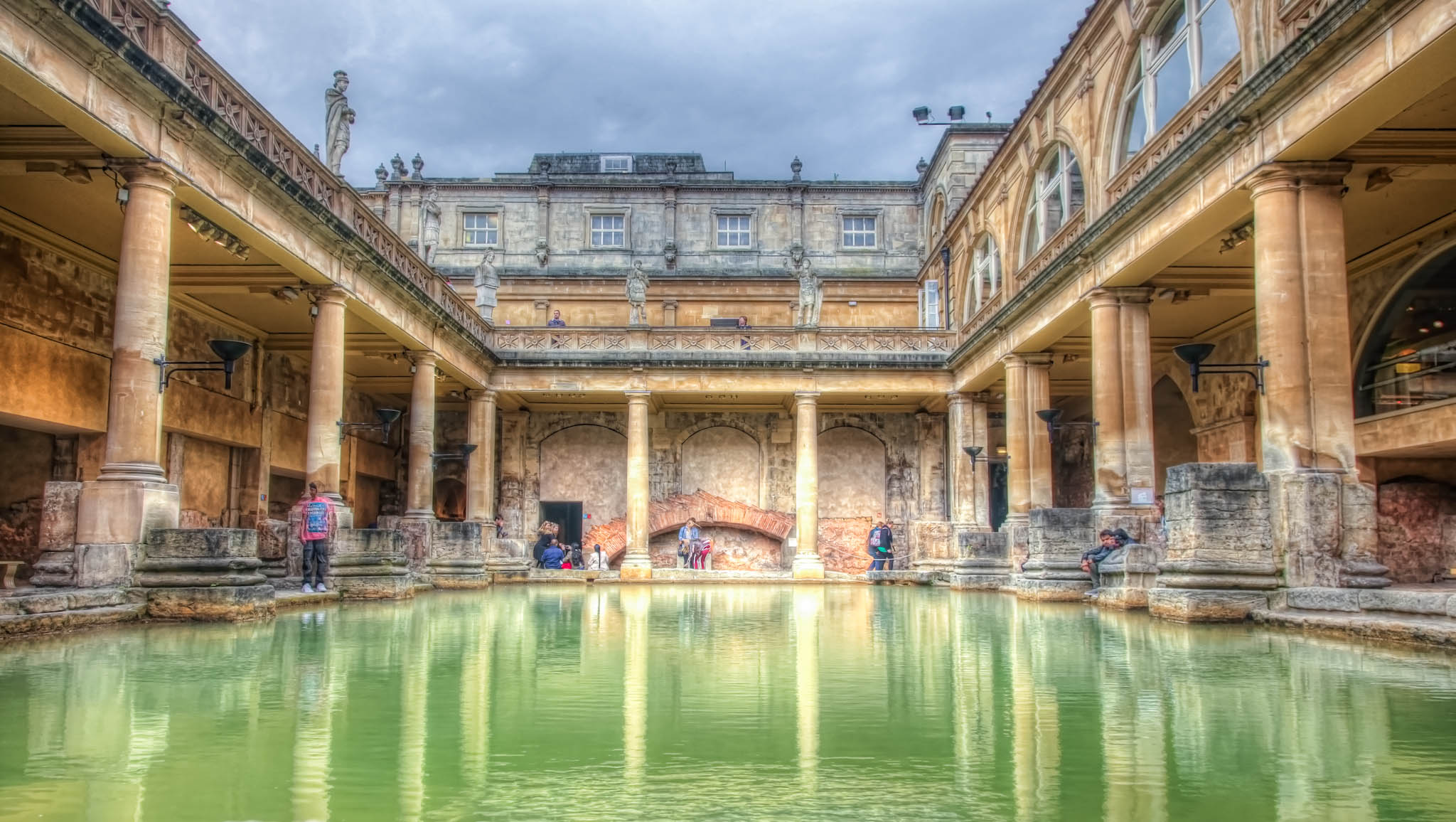
Roman Baths Museum (Bath) - Aktuelle 2019 - Lohnt es sich? (Mit fotos)
Museo El museo alberga artefactos de la época romana, incluidos objetos que fueron arrojados a la fuente sagrada, presumiblemente como ofrendas a la diosa. Estos incluyen más de 12,000 monedas Denari, que es el depósito colectivo de votantes más grande conocido en Gran Bretaña. Roman baths were designed for bathing and relaxing and were a common feature of cities throughout the Roman empire.
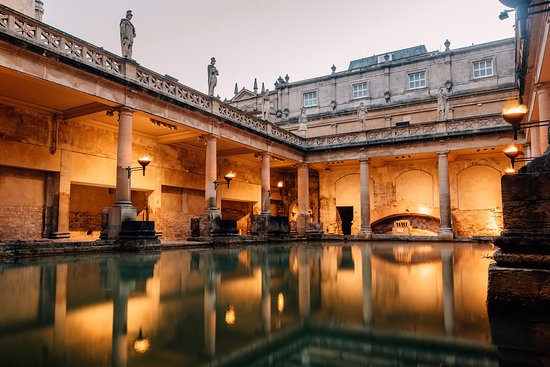
Baths included a wide diversity of rooms with different temperatures, as well as swimming. El nombre Sulis continuó siendo utilizado después de la invasión romana, lo que lleva al nombre romano de Aquae Sulis ("las aguas de Sulis"). El templo fue construido en 60-70 dC y el complejo de baño se construyó gradualmente durante los próximos 300 años.

17,850 imágenes de Roman baths - Imágenes, fotos y vectores de stock ...
Ahora es uno de los restos romanos mejor conservados del mundo. The Structure and Purpose of Roman Baths Roman baths were typically organized around three core spaces: the tepidarium (warm room), caldarium (hot room), and frigidarium (cold room). The layout of these rooms created a sequence of bathing experiences.

More elaborate thermae also included steam rooms such as the sudatorium and laconicum, used for therapeutic sweating. Roman baths were more than just places to bathe, they were social hubs, engineering marvels, and cultural centers. Discover their design, heating systems, and role in daily Roman life.
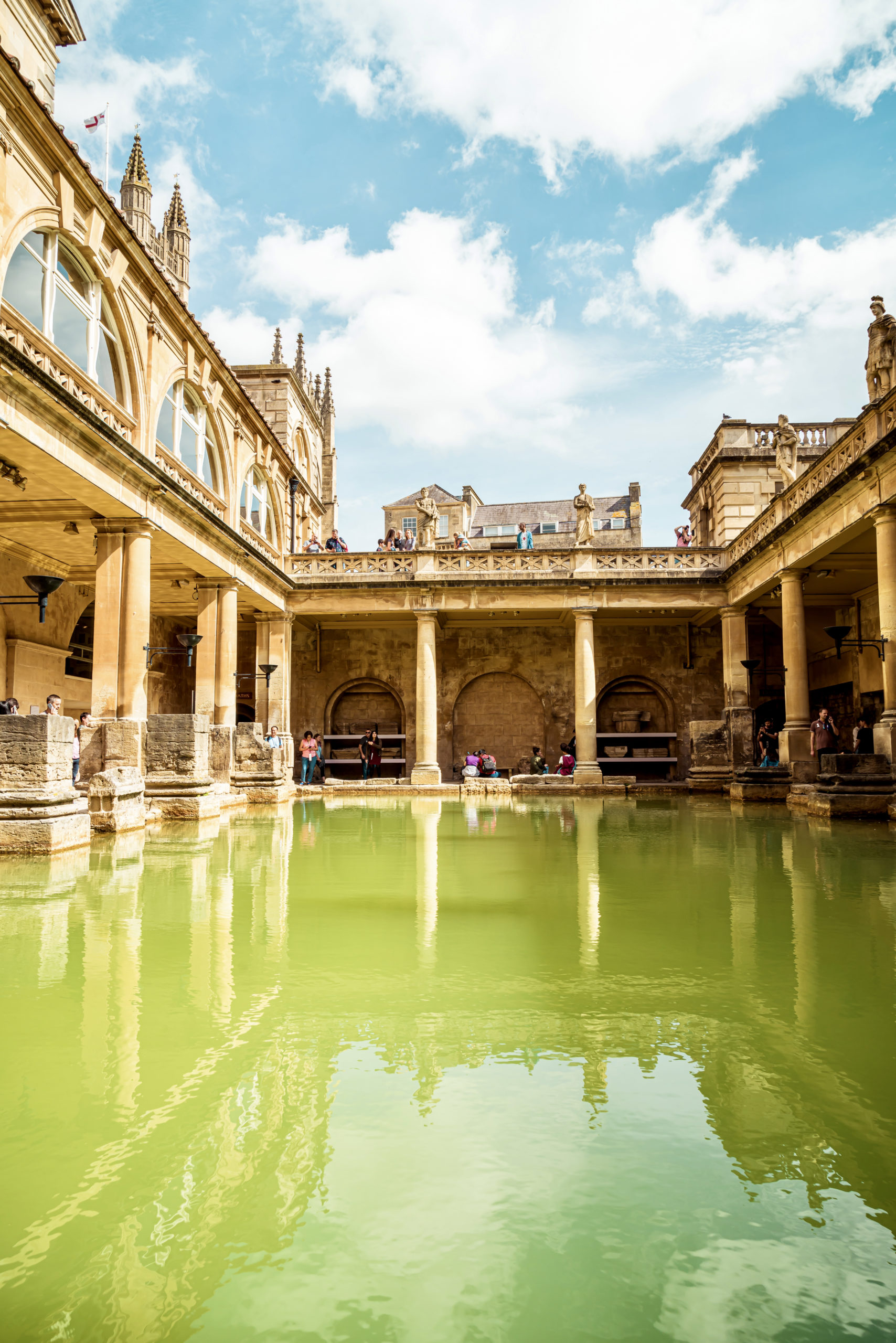
The Roman Baths are well-preserved thermae in the city of Bath, Somerset, England. A temple was constructed on the site between 60 and 70 AD in the first few decades of Roman Britain. Its presence led to the development of the small Roman urban settlement known as Aquae Sulis around the site.

The Roman baths.
/GettyImages-742361847-5bbb97b84cedfd0026b5cdf6.jpg)