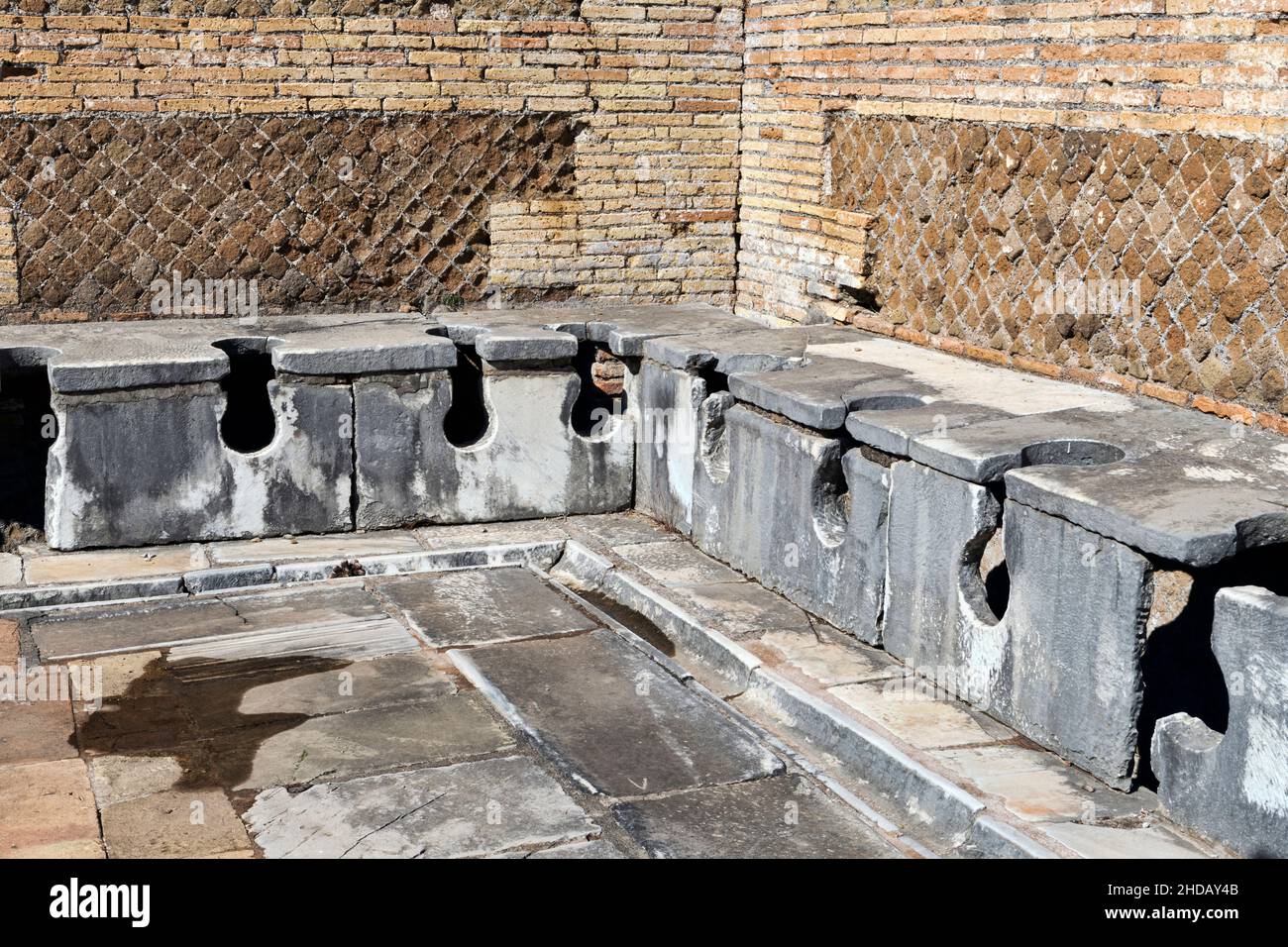
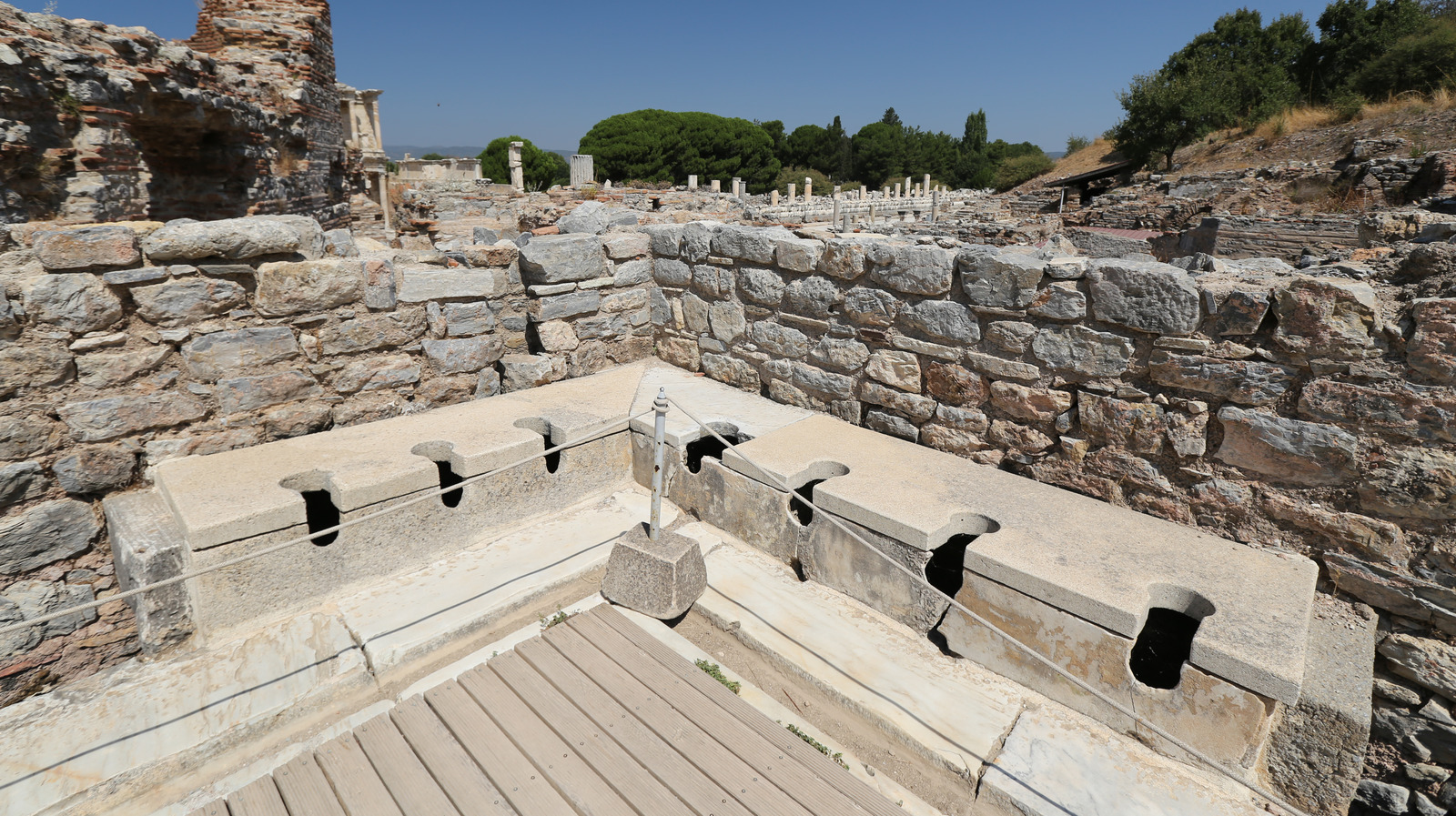
Sanitation in ancient Rome, acquired from the Etruscans, was very advanced compared to other ancient cities and provided water supply and sanitation services to residents of Rome. Although there were many sewers, public latrines, baths and other sanitation infrastructure, disease was still rampant. The baths are known to symbolise the "great hygiene of Rome".

Because the Roman Empire lasted for 2,000 years and stretched from Africa to the British Isles, Roman toilet attitudes varied geographically and over time. Generally speaking, however, the Romans. Roman toilets Dating back to the 2nd century BC, Roman public toilets, often built with donations from charitable upper-class citizens, were called foricae.
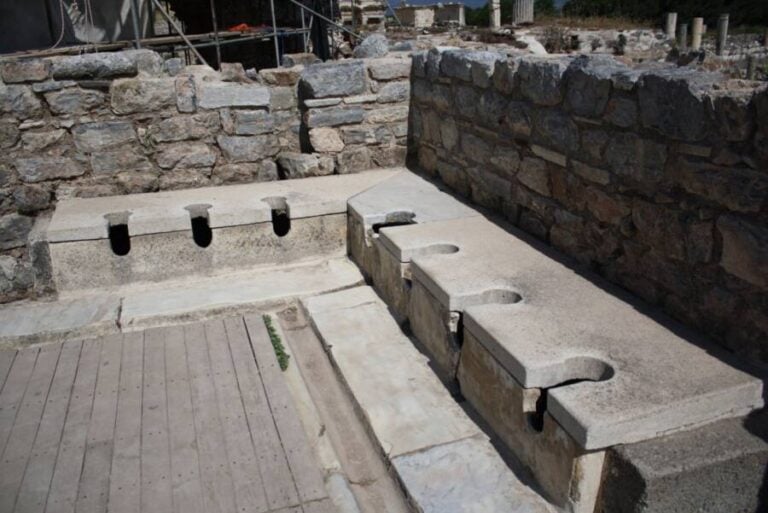
Ancient Roman Public Toilets
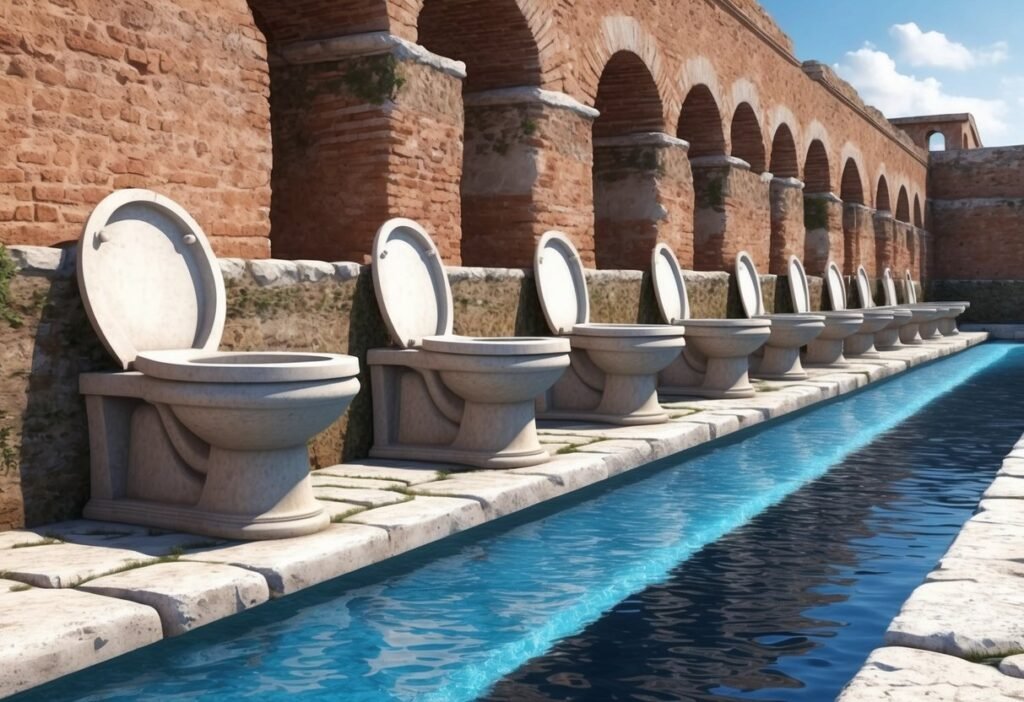
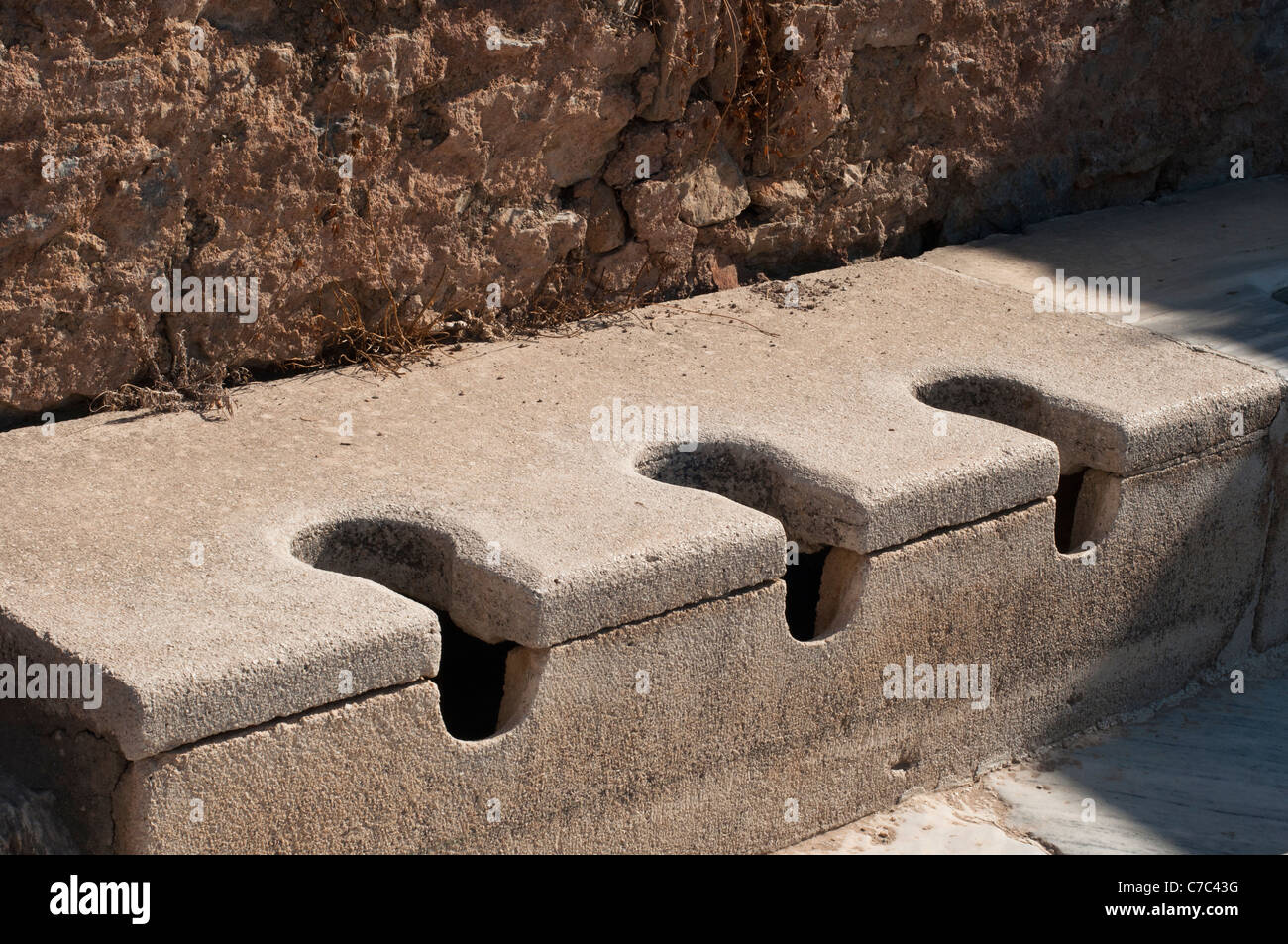
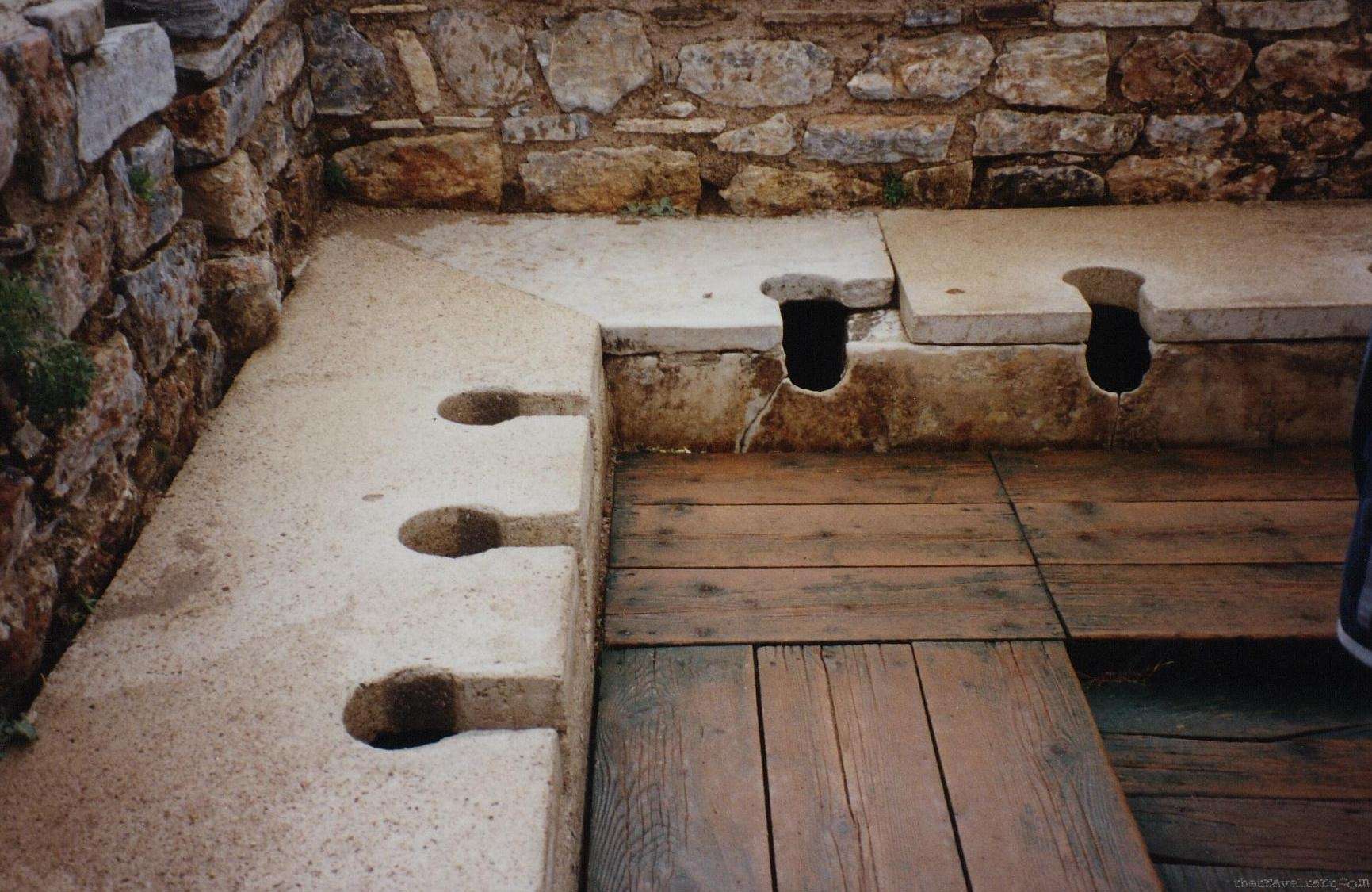
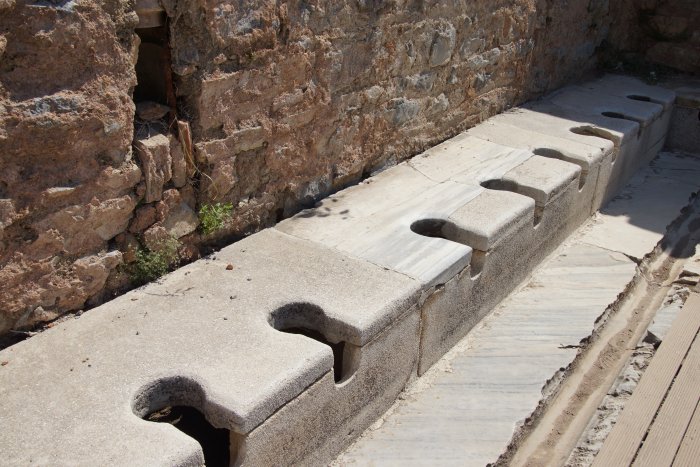
These toilets consisted of dark rooms lined with benches dotted with key. The foricae were part of the Roman Empire's larger sanitation effort, which included aqueducts and sewer systems, like the famous Cloaca Maxima of Rome. Despite their flaws, these public toilets and Rome's early sewer systems represented a groundbreaking approach to urban waste management.
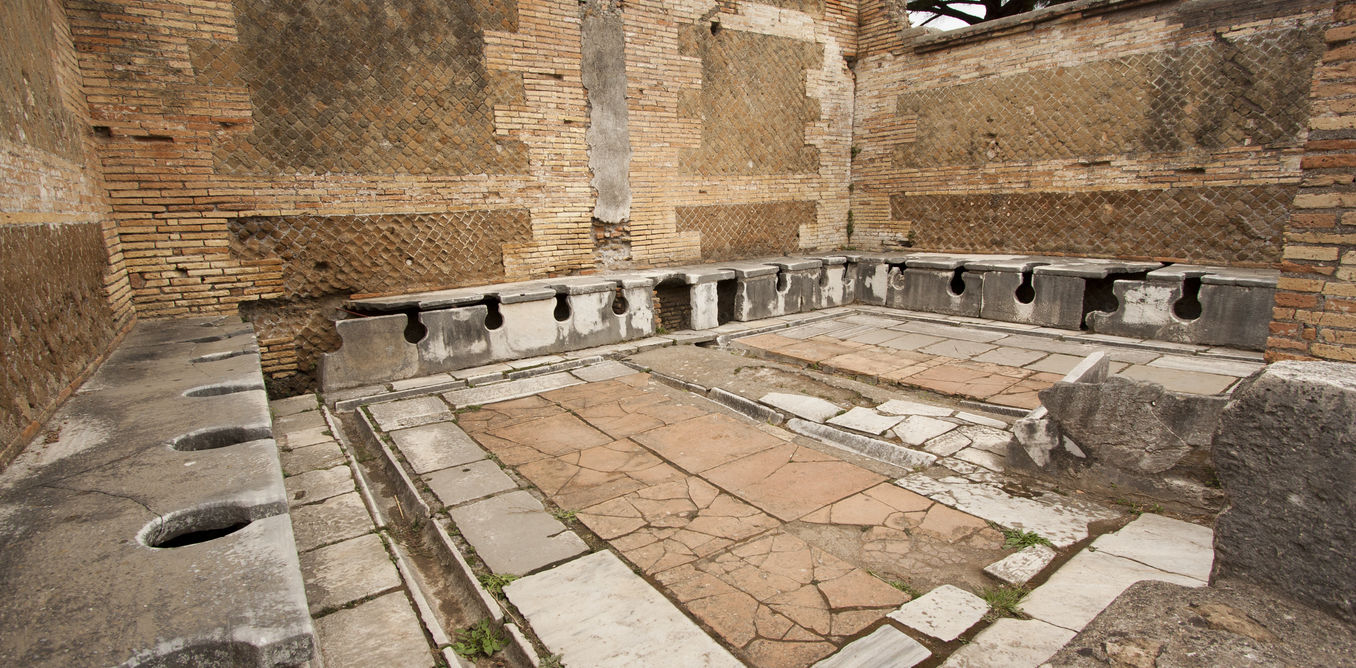
A wall-painting from Lisbon's Roman Theatre Museum, showcasing Roman Toilet Etiquette. Credits: Roman Empire Times In 1913, Italian archaeologist Giacomo Boni excavated the room, but at the time, toilets were considered a taboo subject. Roman toilets came in two flavors: big public facilities called foricae that could seat 20 or more people at a time, and smaller private latrines (latrina) in the homes of the wealthy.

First Pay Toilets Were Invented In Ancient Rome In 74 A.D. - Ancient Pages
Roman toilets were typically communal facilities which were incredibly unsanitary and even rather dangerous to visit and use! The toilets and sewers of ancient Rome represented incredible advancements in engineering and urban planning for their era. Extensive piping and aqueduct systems, multi-seater public latrines, and even elite home plumbing were all pioneered by the Romans and spread throughout their vast empire. Overall, the Roman state's investment in sanitation infrastructure-from sewers and aqueducts to public toilets-reflected a recognition that clean water and waste removal were vital for urban living and the health of the empire's populace.
Key Takeaways Roman aqueducts provided clean water to Roman bathrooms and latrines, allowing them to be built on a grand scale. The Romans employed intricate water laws and quality control measures for their wealth of freshwater sources. Public latrines were communal toilets used in Ancient Rome as social gathering spots, while the elite utilized private toilets and chamber pots with opulent.